
Cuisinart Frozen Yogurt, Ice Cream & Sorbet Maker Instructions: A Comprehensive Guide
Embark on a delightful journey of homemade frozen treats! This guide unlocks the potential of your Cuisinart machine, crafting delicious ice cream, yogurt, and sorbet․
Understanding Your Cuisinart Ice Cream Maker
Your Cuisinart ice cream maker is a versatile kitchen appliance designed to transform simple ingredients into delightful frozen desserts․ It operates on the principle of freezing a mixture while simultaneously churning it, incorporating air to create a smooth, creamy texture․ Unlike traditional methods requiring constant stirring, this machine automates the process, delivering consistent results with minimal effort․
The key to successful ice cream making lies in understanding how the machine functions․ The freezing bowl chills the mixture, while the dasher – the paddle-like component – continuously agitates it․ This prevents large ice crystals from forming, resulting in a perfectly textured frozen treat․ Exploring the capabilities of your specific model will unlock a world of homemade flavor possibilities, allowing you to customize recipes to your exact preferences․
Model Variations & Compatibility
Cuisinart offers a range of ice cream makers, each with slightly different features and capacities․ Common variations include models with built-in compressors – eliminating the need for pre-freezing the bowl – and those requiring a freezer bowl that must be thoroughly chilled before use․ Compatibility with recipes generally isn’t an issue across models, but processing times may vary․
Understanding your specific model is crucial․ Check the model number, typically found on the base of the unit, and consult the accompanying instruction manual․ This will detail the bowl’s capacity, recommended churning times, and any unique features․ Ensure all parts are compatible before assembly․ Using incorrect components could damage the machine or affect the final product’s texture․
Essential Parts Identification
Familiarizing yourself with the components is the first step to successful frozen dessert creation․ Key parts include the freezer bowl – the double-walled container requiring pre-freezing – and the outer housing, which holds the bowl and motor․ The mixing paddle, also known as the dasher, agitates the mixture during churning․ A transparent lid allows monitoring of the process, preventing over-churning․
Additional components often include a measuring cup for precise ingredient addition and sometimes recipe booklets for inspiration․ Some models feature additional accessories like fruit dispensers․ Carefully identify each part before beginning; the instruction manual provides a detailed diagram․ Ensuring all parts are present and in good condition guarantees optimal performance and longevity of your Cuisinart ice cream maker․
Before First Use: Preparation & Cleaning
Prior to your inaugural batch of frozen delight, thorough preparation and cleaning are crucial․ Begin by washing the freezer bowl, mixing paddle, and lid with warm, soapy water․ Rinse completely and dry with a soft cloth․ Never place the freezer bowl or motor housing in the dishwasher – handwashing is essential to preserve functionality․
Wipe down the motor housing with a damp cloth, ensuring no water enters․ Confirm the freezer bowl is completely dry before freezing․ Initial freezing requires approximately 16-24 hours; a fully frozen bowl is vital for proper churning․ Inspect all parts for any manufacturing residue․ This initial cleaning removes potential odors and ensures a pristine flavor for your first homemade treat!
Getting Started: Basic Operation
Unlock frozen dessert success! Mastering the initial steps—ingredient preparation, bowl freezing, and machine assembly—sets the stage for creamy, homemade perfection․

Ingredient Requirements & Ratios
Crafting the perfect frozen treat begins with understanding ingredient balance․ For classic ice cream, a base typically consists of heavy cream, milk, sugar, and flavorings․ A common ratio is 2 cups cream to 1 cup milk, with approximately ¾ cup of sugar—adjusting to taste and desired sweetness․
Egg yolks contribute richness and stability, often used in French-style custard bases (approximately 4-6 yolks per quart)․ Frozen yogurt requires a base of yogurt (Greek yogurt provides a thicker consistency), milk or cream, and sweetener․ Sorbet relies heavily on fruit puree and a simple syrup (sugar dissolved in water), generally a 2:1 ratio of fruit to syrup․
Remember: High-fat content yields creamier results․ Experiment with ratios to achieve your preferred texture and flavor intensity․ Quality ingredients are key for exceptional homemade desserts!
Freezing the Bowl: Crucial Steps
Achieving optimal freezing of the Cuisinart ice cream maker’s bowl is paramount for successful results․ The bowl must be thoroughly frozen for at least 16-24 hours before use․ Place it in the freezer, ensuring it’s level and not obstructed by other items․ Avoid quick-freezing settings, as they may not provide consistent temperatures․
Before assembly, verify the bowl is completely frozen – liquid should not slosh around when shaken․ A fully frozen bowl is essential for the mixture to solidify during churning․ If the bowl isn’t cold enough, the ice cream won’t set properly, resulting in a soupy consistency․
Pro Tip: Dedicate a specific freezer space for the bowl to prevent temperature fluctuations and ensure it’s always ready when inspiration strikes!
Assembling the Machine: A Step-by-Step Guide
Proper assembly ensures efficient operation and prevents mishaps․ Begin by placing the frozen bowl securely into the machine base, ensuring it clicks into place․ Next, attach the dasher assembly – the paddle – to the motor shaft․ Align the hole in the dasher with the corresponding pin on the shaft and gently push down until firmly connected․
The clear lid then fits over the bowl and dasher, locking into place with a secure twist․ This lid prevents splattering during the churning process․ Important: Double-check that all components are correctly aligned and locked before adding your ice cream mixture․
Safety First: Never operate the machine without the lid securely fastened․ A properly assembled machine guarantees a smooth and enjoyable ice cream-making experience!
Making Ice Cream: The Process
Transform your chilled mixture into creamy perfection! This section details the churning process, achieving ideal consistency, and enjoying homemade ice cream delights․
Adding the Mixture: Timing & Quantity
Precise timing and correct quantity are key to successful ice cream making․ Ensure the freezer bowl is thoroughly frozen – typically at least 24 hours is recommended for optimal results․ Once the bowl is ready, and the machine is assembled, carefully pour your chilled ice cream base into the frozen bowl․
Do not overfill! The mixture should not exceed the maximum fill line indicated on the bowl; typically, this is about halfway full․ Overfilling can prevent proper churning and result in a soupy consistency; Pouring the mixture in slowly helps prevent splashing and ensures even distribution within the bowl․
Start the machine immediately after adding the mixture․ Delaying the churning process can lead to ice crystal formation․ The initial mixture should be quite cold for best results, enhancing the freezing process;
The Churning Process: Duration & Monitoring
The churning process is where the magic happens! Allow the Cuisinart ice cream maker to run for approximately 20-30 minutes․ The exact duration will depend on your recipe, the ambient temperature, and the initial temperature of your mixture․
Regular monitoring is crucial․ Listen to the motor; if it begins to strain, it indicates the mixture is getting too thick․ Stop the machine and check the consistency․ You’re aiming for a soft-serve texture at this stage․
Avoid prolonged churning․ Over-churning can lead to a grainy texture․ If the mixture isn’t thickening sufficiently after 30 minutes, ensure your bowl was adequately frozen and your mixture was thoroughly chilled before starting․
Achieving the Right Consistency: Soft Serve vs․ Hard Pack
Understanding consistency is key to perfect results․ Initially, your frozen dessert will have a soft-serve texture – ideal for immediate enjoyment! This is the typical outcome after the churning process concludes․
For a firmer, hard-pack consistency, transfer the mixture to an airtight container and freeze for at least 2-4 hours․ This allows the ice cream, yogurt, or sorbet to fully harden․
Consider your preference․ Soft serve is perfect for a quick treat, while hard-packed desserts are better for scooping and longer storage․ Adjust freezing time accordingly․ Remember, homemade frozen desserts tend to be softer than commercially produced varieties․
Frozen Yogurt & Sorbet Recipes
Expand your frozen dessert horizons! Discover delightful recipes for creamy frozen yogurt and refreshing sorbets, utilizing your Cuisinart maker’s versatility․
Adapting Recipes for Frozen Yogurt
Transforming ice cream recipes into frozen yogurt is surprisingly simple! The key lies in substituting a portion of the cream with yogurt – Greek yogurt works exceptionally well due to its thickness, yielding a richer, less icy texture․ Generally, replace approximately half of the cream called for in your ice cream recipe with plain, unsweetened Greek yogurt․
However, remember that yogurt introduces a slight tanginess, so you might want to slightly increase the sugar content to balance the flavors․ Start with an extra tablespoon or two and adjust to your preference․ Also, yogurt tends to freeze harder than cream, so consider adding a tablespoon of vodka or other alcohol (if appropriate for your audience) to help maintain a softer consistency․ Experimentation is encouraged – different yogurt brands and fat contents will yield varying results, so find what works best for your palate!
Sorbet Creation: Fruit Puree & Sugar Balance
Creating vibrant sorbet hinges on achieving the perfect fruit puree and sugar equilibrium․ Begin with high-quality, ripe fruit – the flavor of the sorbet directly reflects the fruit’s quality․ Puree the fruit until completely smooth, then strain to remove any seeds or pulp for a refined texture․
Sugar isn’t just for sweetness; it also lowers the freezing point, preventing a rock-solid sorbet․ A general guideline is to use approximately 1/4 to 1/3 cup of sugar per 4 cups of fruit puree, but this varies depending on the fruit’s natural sweetness․ Taste as you go! A squeeze of lemon juice brightens the flavors and aids in preservation․ Remember, sorbet freezes firmer than ice cream, so a touch of alcohol can help maintain scoopability;
Recipe Examples: Classic Flavors
Let’s explore some timeless flavor combinations to inspire your Cuisinart creations! For a Strawberry Sorbet, blend 4 cups of strawberries with 1/2 cup of sugar and 2 tablespoons of lemon juice․ A classic Vanilla Ice Cream requires 2 cups of heavy cream, 1 cup of milk, 3/4 cup of sugar, and 1 vanilla bean (or 1 tsp extract)․
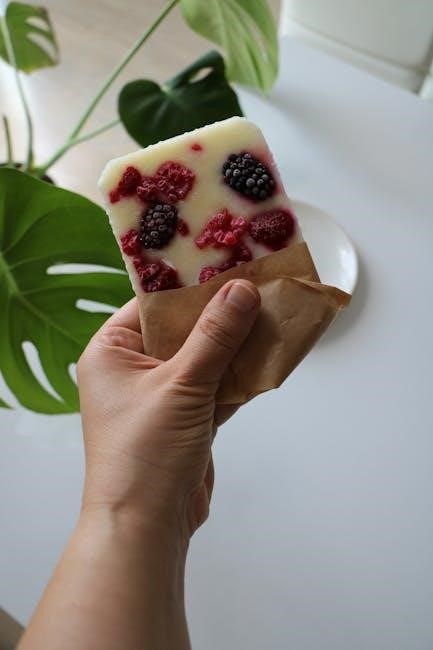
To craft a refreshing Raspberry Frozen Yogurt, combine 4 cups of raspberries, 1/2 cup of sugar, and 1 cup of plain yogurt․ Experiment with additions! A hint of mint elevates the strawberry sorbet, while chocolate shavings complement the vanilla ice cream beautifully․ Don’t be afraid to adjust sweetness to your preference – these are starting points for your personalized frozen delights!
Troubleshooting Common Issues
Encountering problems? This section addresses frequent concerns like the machine failing to start, mixtures not freezing, or unwanted ice crystal formation – solutions await!
Machine Not Turning On
Initial Checks: Before diving into complex troubleshooting, ensure the Cuisinart ice cream maker is correctly plugged into a functioning power outlet․ A simple test is to plug another appliance into the same outlet to verify power delivery․ Also, double-check the power cord for any visible damage, such as cuts or fraying, which could prevent operation․
Safety Features: Many models incorporate safety features․ Confirm the mixing bowl is securely locked into place․ The machine won’t start if the bowl isn’t properly detected․ Similarly, ensure the lid is firmly attached, as a safety switch often prevents operation without it․
Resetting the Motor: If the machine has an overload protection feature, it might have shut off․ Unplug the machine for 15-20 minutes to allow it to reset before attempting to restart․ If problems persist, consult the user manual or Cuisinart support․
Mixture Not Freezing
Bowl Temperature is Key: The most common reason for a mixture failing to freeze is an insufficiently frozen bowl․ Ensure the bowl has been in the freezer for a minimum of 16-24 hours, ideally at 0°F (-18°C)․ Verify your freezer reaches this temperature․ A partially frozen bowl won’t provide enough cooling power․
Mixture Consistency & Temperature: Your base mixture must be thoroughly chilled before pouring it into the frozen bowl – ideally, refrigerate it for several hours․ A warm mixture will quickly thaw the bowl․ Also, ensure the recipe has the correct fat content; low-fat mixtures may not freeze properly․
Proper Assembly: Confirm all parts are correctly assembled and securely fastened․ An improper seal can reduce cooling efficiency․
Ice Crystals Forming in the Ice Cream
Slow Churning & Warm Mixture: Ice crystals develop when the mixture freezes too slowly, allowing water molecules to form large, noticeable structures․ This often happens if the bowl wasn’t fully frozen or the base was not adequately chilled before churning․ Ensure a consistently cold temperature throughout the process․
Over-Churning: Surprisingly, over-churning can also cause ice crystals․ Prolonged agitation can break down the smooth texture and encourage crystal formation․ Monitor the consistency closely and stop churning when it reaches your desired level․
Storage Issues: Improper storage contributes to ice crystal development․ Transfer finished ice cream to an airtight container and store it in the coldest part of your freezer․ Consider placing plastic wrap directly on the surface to minimize air exposure․
Cleaning & Maintenance
Preserve your Cuisinart maker’s longevity! Proper disassembly, cleaning, and storage are essential for optimal performance and ensuring delightful frozen creations for years․
Disassembling for Cleaning
Before initiating the cleaning process, always unplug your Cuisinart ice cream maker from the power outlet․ This is a crucial safety precaution to prevent accidental operation during disassembly․ Begin by removing the freezer bowl; gently twist and lift it away from the machine base․
Next, detach the mixing paddle – typically, a simple pull upwards will suffice, though some models may require a slight twisting motion․ Carefully inspect the unit for any remaining components, such as the dasher assembly or lid adapter, and remove them as needed․
Avoid forceful disassembly, as this could potentially damage the delicate parts․ Lay out all the components on a clean, dry surface, ready for thorough washing․ Remember to consult your specific model’s instruction manual for any unique disassembly steps․
Proper Cleaning Procedures
Wash the freezer bowl, mixing paddle, and dasher assembly with warm, soapy water after each use․ Avoid abrasive cleaners or scouring pads, as these can scratch the surfaces․ A soft sponge or cloth is ideal․ Rinse all components thoroughly under running water, ensuring no soap residue remains․
The machine base should be wiped down with a damp cloth; never immerse it in water․ For stubborn residue, a mild detergent solution can be used, but ensure it’s wiped away completely․ Allow all parts to air dry completely before reassembling․
Dishwasher compatibility varies by model – check your instruction manual․ Properly cleaned components prevent flavor transfer and maintain optimal performance․ Regular cleaning extends the life of your Cuisinart ice cream maker!
Storage Instructions: Bowl & Machine Body
The freezer bowl requires special attention․ After thorough drying, wrap it securely in plastic wrap or place it in a freezer bag to prevent odor absorption․ Always store the bowl in the freezer, ready for your next batch of frozen delights – ideally, keep it consistently frozen for optimal performance․
The machine body should be stored in a cool, dry place, away from direct sunlight․ Ensure all detachable parts are removed and stored separately․ Avoid stacking heavy items on top of the machine to prevent damage․
Proper storage safeguards your Cuisinart maker, ensuring it’s ready to create delicious treats whenever inspiration strikes․ Consistent freezer bowl preparation is key!

Advanced Techniques & Tips
Elevate your creations! Explore mix-ins, layered flavors, and proper storage to extend shelf life, unlocking the full potential of your Cuisinart machine․
Adding Mix-Ins: Chocolate Chips, Nuts & More
Transform your basic frozen desserts into extraordinary treats with delightful mix-ins! The key to successful incorporation lies in timing․ Avoid adding mix-ins too early, as they can become frozen solid and unevenly distributed throughout your ice cream, yogurt, or sorbet․
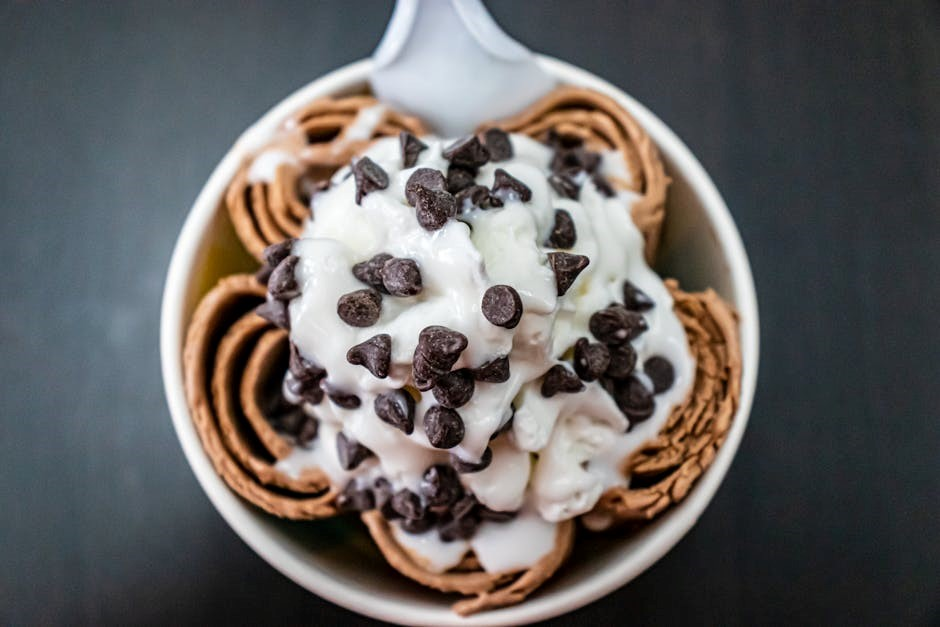
Generally, during the last few minutes of the churning process – typically the final 5-10 minutes – slowly pour in your chosen additions․ Popular choices include miniature chocolate chips, chopped nuts (walnuts, pecans, almonds), crushed cookies, fruit pieces, or even swirls of caramel or fudge․
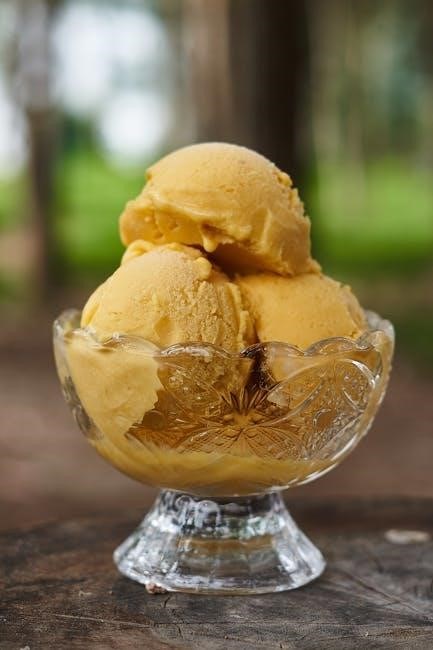
Adding them gradually allows the churning action to gently fold them into the mixture, ensuring a consistent and enjoyable texture in every bite․ Be mindful of the quantity; too many mix-ins can hinder the freezing process and result in a grainy consistency․ Experiment to find your perfect balance!
Layering Flavors for Unique Creations
Elevate your frozen dessert game with the art of flavor layering! This technique transforms simple recipes into complex and exciting experiences․ Begin by creating a base flavor – vanilla, chocolate, or strawberry work wonderfully․ Once churned to a soft-serve consistency, gently fold in a contrasting flavor․
For example, swirl ribbons of raspberry puree into vanilla ice cream, or add a layer of peanut butter fudge to chocolate frozen yogurt․ Another approach is to create distinct layers within the container before final freezing․ Alternate between different flavored mixtures, allowing each to partially set before adding the next․
This creates visually appealing and texturally diverse desserts․ Remember to work quickly to prevent excessive melting and maintain defined layers․ Don’t be afraid to experiment – the possibilities are endless!
Extending Shelf Life: Storage Containers & Techniques
Preserve the delightful texture and flavor of your homemade creations! Proper storage is crucial for enjoying your frozen desserts at their best․ Immediately transfer the churned ice cream, yogurt, or sorbet into airtight containers․ Plastic containers specifically designed for freezer use, or glass containers with tight-fitting lids, are ideal․
Minimize air exposure by pressing a piece of plastic wrap directly onto the surface of the dessert before sealing the container․ This prevents ice crystal formation and maintains a smoother consistency․ Store at a consistent temperature – ideally 0°F (-18°C) or lower;
Homemade frozen desserts generally maintain optimal quality for up to two weeks․ Beyond that, texture may degrade․ Label containers with the date for easy tracking!