
The G35’s manual transmission offers a driver-focused experience, often facing issues like gear slipping and cooler line leaks, impacting shifting performance․
Infiniti G35 transmissions can experience internal problems requiring repair or replacement, while automatic versions generally consume more fuel than their manual counterparts․
Overview of the G35 Platform
The Infiniti G35, produced from 2003 to 2007, represents a pivotal era for Nissan’s luxury performance division․ It bridged the gap between sporty handling and refined comfort, quickly gaining popularity among enthusiasts․ Available as a coupe, sedan, and convertible, the G35 offered a versatile platform catering to diverse driving preferences․
Central to the G35’s appeal was its potent 3․5-liter V6 engine, available with either a five-speed automatic or a six-speed manual transmission․ The manual option, in particular, resonated with drivers seeking greater control and engagement․ The G35’s rear-wheel-drive layout further enhanced its dynamic capabilities, providing a balanced and responsive driving experience․ However, owners have reported transmission issues, including gear slipping and fluid loss from cooler line leaks, impacting overall reliability․
The platform’s robust construction and readily available aftermarket support have cemented its status as a favorite for modification and customization, ensuring its continued presence in the automotive landscape․
Why Choose the Manual Transmission?
Opting for the six-speed manual transmission in the Infiniti G35 delivers a distinctly more engaging driving experience․ Drivers gain complete control over gear selection, maximizing performance and responsiveness․ This direct connection fosters a stronger sense of involvement and enjoyment behind the wheel, appealing to enthusiasts who prioritize driving feel․
Beyond the enhanced driving dynamics, the manual transmission often offers improved fuel efficiency compared to the automatic variant, as noted by G35 owners․ While automatic transmissions generally consume more fuel—approximately 1 liter per 100km—the manual provides a more economical option․
Furthermore, the manual transmission can offer greater reliability, potentially avoiding the complexities and potential failures associated with automatic transmission components, like the oil pump issues sometimes seen in G35 automatics․

Technical Specifications of the G35 Manual Transmission
The G35 manual transmission is a robust unit, frequently identified by its transmission code, originating from Nissan/Infiniti platforms and featuring specific gear ratios․
Transmission Code and Origin
The G35 manual transmission, found in both the coupe and sedan models (2003-2007), primarily utilizes the CD009 transmission code․ This designation is crucial for identifying compatible parts and accessing specific repair information․
Originating from Nissan’s engineering, the CD009 is a widely used 6-speed manual gearbox also found in the 350Z, and various other Nissan and Infiniti vehicles of the era․ This shared platform contributes to parts availability and a wealth of community knowledge surrounding its maintenance and modification․
The transmission was manufactured in Japan, reflecting Nissan’s commitment to quality and precision engineering․ Understanding its origins helps in sourcing authentic replacement components and appreciating the transmission’s inherent design strengths․ Identifying the correct transmission code is paramount when ordering parts, ensuring proper fitment and functionality․
Gear Ratios Explained
The G35’s CD009 manual transmission features a carefully calibrated set of gear ratios designed for both spirited driving and comfortable cruising․ First gear boasts a ratio of 3․354, providing strong acceleration from a standstill․ Second gear is 1․905, followed by 1․389 for third, and 1․000 for fourth – a 1:1 ratio for direct drive․
Fifth gear utilizes a ratio of 0․741, optimizing fuel efficiency during highway travel, while sixth gear, at 0․672, further enhances long-distance economy․ These ratios contribute to the G35’s responsive feel and ability to deliver power effectively across a wide range of speeds․
Understanding these ratios is key for maximizing performance and selecting the appropriate gear for any driving situation, ensuring optimal engine operation and a connected driving experience․
Clutch Specifications and Components
The G35’s manual transmission utilizes a robust clutch system designed to handle the VQ35DE engine’s power output․ It features a 260mm diameter clutch disc with an organic friction material, providing a balance between grip and pedal feel․ The pressure plate exerts significant clamping force, ensuring efficient power transfer․
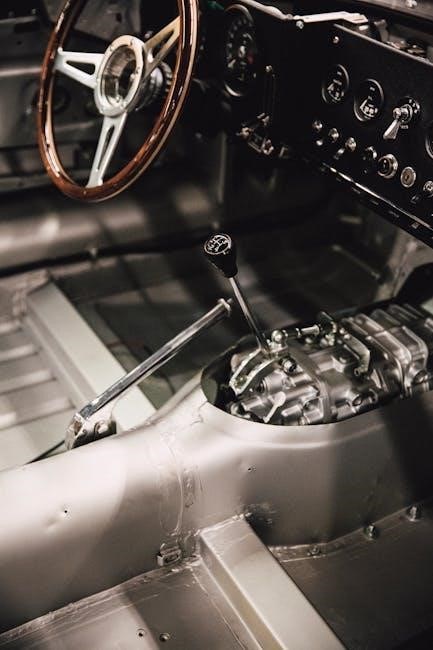
Key components include the clutch disc, pressure plate, throw-out bearing, and pilot bearing․ The flywheel, a crucial element, is typically made of dual-mass to dampen vibrations; Upgraded clutch kits often feature reinforced components for increased durability and higher torque capacity․
Proper clutch operation is vital for smooth shifting and preventing premature wear․ Regular inspection and maintenance are essential for optimal performance and longevity․
Common Problems with the G35 Manual Transmission
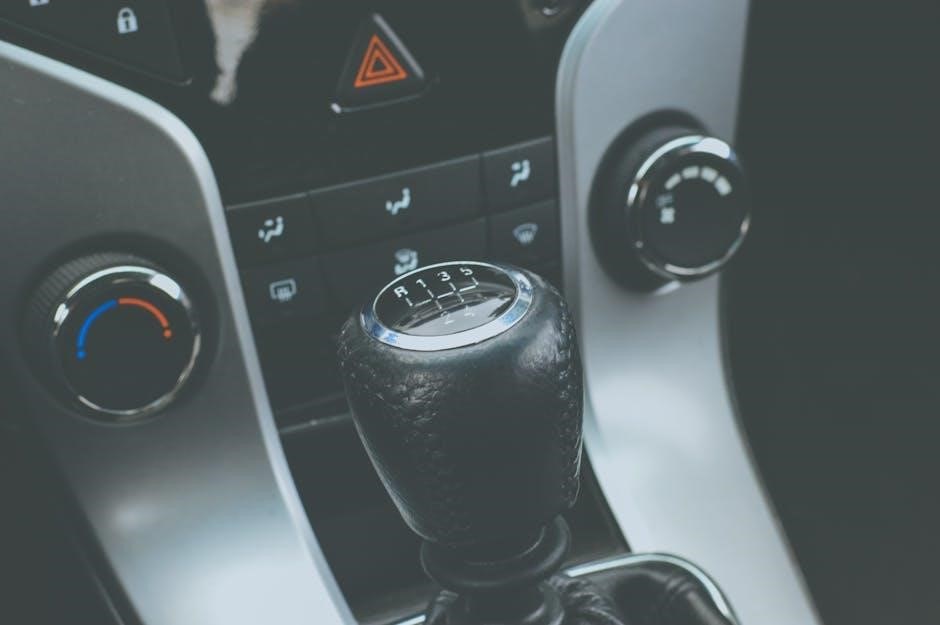
G35 manual transmissions frequently exhibit gear slipping, synchro issues causing grinding, and clutch failures, often linked to fluid loss from cooler line leaks․
Gear Slipping Issues
Gear slipping in the G35 manual transmission is a commonly reported problem, often stemming from low transmission fluid levels due to leaks in the cooler lines․ This lack of adequate lubrication can cause the gears to not fully engage, resulting in a sensation of the engine revving without a corresponding increase in vehicle speed․
Internal transmission damage can also contribute to gear slipping, potentially requiring a complete transmission rebuild or replacement․ Identifying the root cause is crucial; a simple fluid top-up might temporarily alleviate the issue, but it won’t address underlying mechanical problems․ Regular inspection of transmission fluid levels and cooler lines is vital preventative maintenance․
Furthermore, worn synchronizers can mimic gear slipping, making accurate diagnosis essential․ Ignoring gear slipping can lead to more extensive and costly repairs down the line, so prompt attention is highly recommended․
Synchro Problems and Grinding
Synchro issues manifest as difficulty shifting into gear, often accompanied by a noticeable grinding noise, particularly when downshifting․ Worn synchronizers within the G35’s manual transmission fail to properly match the speeds of the gears before engagement, leading to this unpleasant sound and rough shifting experience․
The grinding indicates metal-on-metal contact, accelerating wear on the gears themselves․ Aggressive driving habits and delayed clutch engagement can exacerbate synchro wear․ A common symptom is difficulty finding second gear, but any gear can be affected as the transmission ages․
Addressing synchro problems typically requires a transmission rebuild, involving the replacement of the worn synchronizer rings․ Ignoring grinding noises can lead to more significant and expensive transmission damage, so prompt diagnosis and repair are crucial for maintaining the G35’s driving enjoyment․
Clutch Failure Symptoms
Clutch failure in the G35 manual transmission presents in several ways, often starting with a gradual decline in performance․ Slipping is a primary indicator – the engine revs higher than normal during acceleration, but speed doesn’t increase proportionally․ This happens when the clutch disc can’t maintain sufficient friction with the flywheel․
Other symptoms include difficulty shifting, particularly into first or reverse gear, and a spongy or soft pedal feel․ A burning smell may also be present, indicating excessive heat from clutch slippage․ In severe cases, the clutch pedal may feel loose or even stick to the floor․
Ignoring these signs can lead to complete clutch failure, leaving you stranded․ Prompt attention, typically involving clutch replacement, is essential to avoid further damage to the flywheel and transmission․

Maintenance and Repair of the G35 Manual Transmission
Regular fluid changes are crucial for longevity, alongside addressing issues like clutch replacement and synchro repairs to maintain optimal G35 transmission function․
Fluid Changes and Types
Maintaining the correct fluid level and type is paramount for a healthy G35 manual transmission․ Regular fluid changes, typically every 30,000 to 60,000 miles depending on driving conditions, prevent wear and tear on internal components․ Using the wrong fluid can lead to significant damage, including synchro issues and gear failure․
Nissan/Infiniti specifies a specific manual transmission fluid, often a GL-4 rated 75W-80 or 75W-90 gear oil․ Avoid GL-5 fluids, as they can corrode the brass synchronizers commonly found in the G35 transmission․ Many owners successfully use Red Line MT-90, a popular synthetic GL-4 fluid known for its excellent shifting performance and protection․
The fluid change process involves locating the fill and drain plugs on the transmission, draining the old fluid, and carefully refilling with the correct amount of new fluid․ Ensure the plugs are properly tightened to prevent leaks․ Inspect the drained fluid for metal shavings, indicating potential internal wear․
Clutch Replacement Procedure
Replacing the clutch on a G35 manual transmission is a moderately complex task, best undertaken by experienced DIY mechanics․ The process begins with disconnecting the battery and safely lifting the vehicle․ Then, the driveshaft, exhaust components, and shifter linkage must be removed to access the transmission․
Next, the transmission is separated from the engine, revealing the clutch assembly․ Inspect the flywheel for wear or damage and resurface or replace it as needed․ Install the new clutch disc, pressure plate, and throw-out bearing, ensuring proper alignment․
Reinstall the transmission, reconnect all components in reverse order, and carefully bleed the hydraulic clutch system․ Proper torque specifications are crucial throughout the process to prevent damage or failure․ A clutch alignment tool is essential for smooth transmission installation․
Synchro Replacement Guide
Addressing synchro issues in a G35 manual transmission requires a complete transmission disassembly․ Begin by removing the transmission as outlined in the clutch replacement procedure․ Once opened, carefully inspect each synchronizer sleeve and hub for wear, scoring, or damage – often the cause of grinding during shifts․
Specialized tools are essential for removing and installing the synchronizers without damaging the delicate components․ Clean all parts thoroughly and replace worn synchronizers with new ones․ Ensure proper lubrication with high-quality transmission grease during reassembly․
Pay close attention to the correct orientation and seating of each synchronizer component․ Reassemble the transmission, following the factory service manual’s torque specifications․ Thorough testing after reinstallation is vital to confirm the repair’s success and eliminate grinding․

Performance Modifications for the G35 Manual Transmission
Enhance your G35’s driving experience with upgrades like short shifters, upgraded clutches, and lightweight flywheels for improved responsiveness and control․
Short Shifters Installation
Installing a short shifter on your G35 manual transmission dramatically alters the feel of gear changes, reducing throw length for quicker, more precise shifts․ This modification minimizes the distance the shifter travels between gears, resulting in a sportier and more engaging driving experience․
The installation process typically involves removing the center console, disconnecting the existing shift linkage, and installing the new short shifter assembly․ It’s crucial to follow the manufacturer’s instructions carefully, ensuring proper alignment and tightening of all components․ Some kits may require minor adjustments or modifications to ensure compatibility․
Benefits extend beyond quicker shifts; a short shifter can improve driving confidence and overall control, especially during spirited driving or track use․ However, it’s important to note that some short shifters may introduce a slightly firmer or notchy feel, which some drivers may prefer while others may not․
Upgraded Clutch Options
For G35 manual transmission owners seeking enhanced performance or increased durability, upgrading the clutch is a popular modification․ Stock clutches can struggle to handle significant power increases from engine modifications, leading to slippage and reduced performance․
Several options are available, ranging from mild performance upgrades to heavy-duty clutches designed for extreme power levels․ Ceramic clutches offer superior grip and heat resistance, ideal for track use or high-horsepower builds, but can be more aggressive for daily driving․ Organic clutches provide a smoother engagement and are better suited for street applications․

Consider your driving style and power goals when selecting a clutch․ Upgraded pressure plates and flywheels often accompany clutch disc replacements, further enhancing performance and reliability․ Proper break-in procedures are crucial to maximize clutch life and prevent premature failure․
Lightweight Flywheel Benefits
Installing a lightweight flywheel on a G35 manual transmission significantly impacts performance, primarily by reducing rotational inertia․ This allows the engine to rev more quickly, resulting in faster acceleration and a more responsive driving experience․ The decreased weight lessens the load on the engine, improving throttle response and overall agility․
However, lightweight flywheels also have drawbacks․ They can sometimes cause increased engine vibration at idle and may require a slightly modified driving technique due to the quicker engine response․
Choosing the right weight is crucial; excessively lightweight flywheels can make the car difficult to drive smoothly on the street․ Pairing a lightweight flywheel with an upgraded clutch maximizes the benefits, creating a more engaging and performance-oriented driving experience for the G35․

Troubleshooting G35 Manual Transmission Issues
Diagnosing shifting problems, clutch issues, and transmission noises are key to resolving G35 manual transmission concerns, often indicating internal damage or wear․
Diagnosing Shifting Problems
Identifying the root cause of shifting difficulties in a G35 manual transmission requires a systematic approach․ Begin by assessing if the issue occurs in all gears or specific ones, noting any accompanying noises like grinding․
Gear slipping suggests internal wear or damage, potentially within the synchronizers or gear teeth themselves․ Cooler line leaks, leading to fluid loss, can also manifest as shifting problems․
Check the clutch engagement point; a high or low engagement could indicate clutch wear or hydraulic issues․ Inspect the transmission fluid level and condition – low or contaminated fluid impacts performance․
If problems persist, a professional diagnosis is crucial, as internal transmission issues often require specialized tools and expertise for accurate assessment and repair․
Identifying Clutch Issues
Diagnosing clutch problems in a G35 manual transmission involves observing several key symptoms․ Difficulty shifting into gear, especially first or reverse, often points to clutch wear or hydraulic system issues․ A slipping clutch manifests as engine revving without a corresponding increase in vehicle speed․
Pay attention to the clutch pedal feel; a spongy or excessively high engagement point suggests air in the hydraulic lines or a failing master/slave cylinder․ Unusual noises, like squealing or chattering, during clutch engagement can indicate a worn throw-out bearing․
Inspect for fluid leaks around the master and slave cylinders․ A burnt smell suggests excessive clutch slippage and potential damage․ Thorough inspection is vital for accurate diagnosis and repair․
Transmission Noise Analysis
Analyzing noises from a G35 manual transmission is crucial for pinpointing internal problems․ Whining sounds, particularly when shifting, often indicate worn synchronizers․ Grinding noises, especially during gear changes, strongly suggest synchro failure or damaged gear teeth․
A clunking sound during shifts could signify worn universal joints or loose drivetrain components; Humming noises might stem from the differential or wheel bearings, but should be differentiated from transmission sounds․
Pay close attention to when the noise occurs – during acceleration, deceleration, or specific gear engagement․ Carefully listening and isolating the sound’s origin will help determine the severity and necessary repairs․ Professional diagnosis is recommended for complex cases․

Resources for G35 Manual Transmission Owners
Online forums and communities provide valuable support, while parts suppliers offer necessary components․ Repair manuals and guides assist with DIY maintenance and troubleshooting․
Online Forums and Communities
Engaging with online G35 communities is invaluable for owners of manual transmission vehicles․ These platforms serve as central hubs for sharing knowledge, troubleshooting common issues, and accessing a wealth of experience from fellow enthusiasts․
Dedicated forums often feature detailed threads discussing specific transmission problems, such as gear slipping, synchro issues, and clutch failures․ Members routinely share diagnostic tips, repair procedures, and recommendations for performance modifications․
Furthermore, these communities can be excellent resources for locating reliable parts suppliers and qualified mechanics specializing in the G35 platform․ Active participation allows owners to stay informed about potential recalls, technical service bulletins, and emerging trends related to the manual transmission․
Popular platforms include G35Forum and 350Z forums, where dedicated sections cater specifically to transmission-related discussions․
Parts Suppliers and Retailers
Sourcing quality parts is crucial when maintaining or repairing a G35 manual transmission․ Several retailers specialize in Nissan/Infiniti performance parts, offering a wide selection of components for both routine maintenance and more extensive repairs․
Online suppliers like Enjuku Racing, Z1 Motorsports, and MAPerformance are popular choices, providing access to clutches, flywheels, synchros, and other essential transmission parts․ These retailers often cater to enthusiasts seeking performance upgrades․
Local transmission shops and Nissan/Infiniti dealerships can also supply genuine OEM parts, ensuring compatibility and quality․ However, prices may be higher compared to online alternatives․
When purchasing parts, it’s essential to verify compatibility with your specific G35 model year and transmission code․ Reading reviews and comparing prices from multiple suppliers is also recommended to secure the best value․
Repair Manuals and Guides
Successfully tackling G35 manual transmission repairs requires access to detailed and accurate information․ While dedicated G35-specific manuals can be challenging to find, several resources offer valuable guidance for DIY mechanics․
The Nissan 350Z service manual is often utilized, as the VQ35DE engine and transmission are shared between the two vehicles․ These manuals provide comprehensive diagrams, torque specifications, and step-by-step instructions for various procedures․
Online forums and communities, such as G35Driver and 350Z forums, host a wealth of user-generated guides and troubleshooting tips․ These resources can supplement official manuals and offer practical insights․
YouTube channels specializing in Nissan/Infiniti repairs also provide visual demonstrations of common procedures, like clutch replacement and synchro replacement․ Always cross-reference information from multiple sources before attempting any repair․