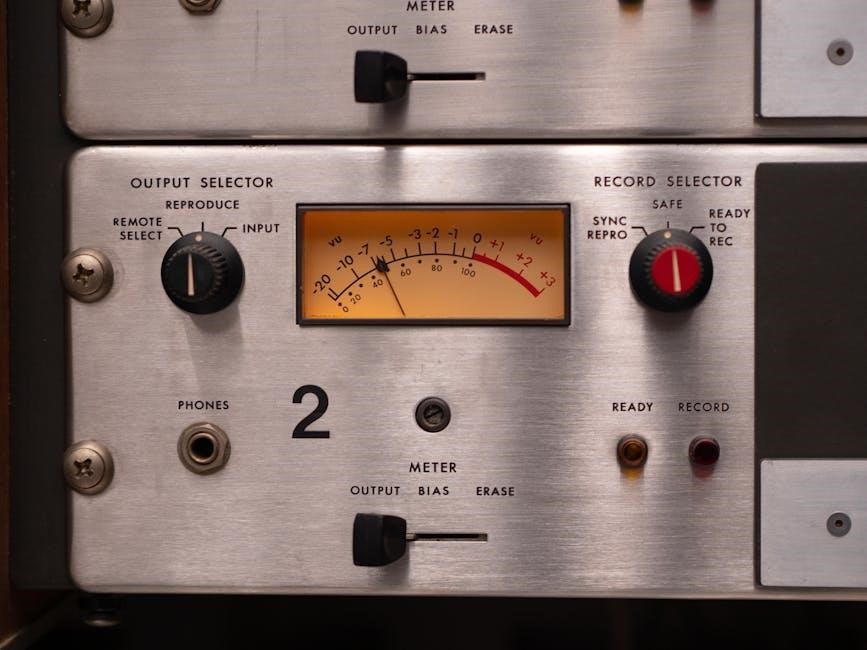
Heathkit Manuals: A Comprehensive Overview (As of 04/07/2026)
Heathkit manuals, vital for enthusiasts, are increasingly available online through archives like InDICE and the Internet Archive. These resources preserve schematics, specifications, and complete guides.
What is Heathkit?
Heathkit was a pioneering American manufacturer renowned for selling electronic kits – radios, televisions, oscilloscopes, and more – that customers assembled themselves. Founded in 1947 by Edward S. Heath, the company democratized electronics, making technology accessible to hobbyists and aspiring engineers. Rather than purchasing pre-built devices, individuals could learn by building them from components, guided by detailed manuals.
These weren’t simple assembly instructions; Heathkit manuals were comprehensive educational resources. They included detailed schematics, troubleshooting guides, and explanations of electronic principles. The kits and accompanying documentation fostered a vibrant community of builders, sharing knowledge and modifications. The appeal lay in the learning experience, the cost savings, and the satisfaction of creating a functional device.
Heathkit’s legacy extends beyond its products. It represents a unique era of hands-on learning and self-reliance in electronics. Today, vintage Heathkit equipment is highly sought after by collectors and enthusiasts, and the original manuals are invaluable for restoration and operation;
The History of Heathkit
Heathkit’s story began in 1947, initially selling surplus electronic parts. Founder Edward S. Heath quickly recognized a demand for affordable electronics and transitioned to offering kits. The first successful kit, the AR-1 receiver, launched in 1948, and quickly gained popularity among radio enthusiasts. This success established the core Heathkit business model: providing components and detailed manuals for self-assembly.
The 1950s and 60s saw rapid expansion, with Heathkit offering a diverse range of kits, from ham radio equipment to televisions and even early computers. The quality and clarity of the manuals were crucial to this success, guiding countless individuals through complex builds. Heathkit fostered a strong community, with builders often sharing modifications and troubleshooting tips.
By the 1970s, competition from pre-assembled electronics increased, and Heathkit faced challenges. Despite attempts to adapt, the company eventually filed for bankruptcy in the early 1990s. However, the legacy of Heathkit – and the importance of its manuals – endures, fueling a vibrant vintage electronics hobbyist community today.
Why Heathkit Manuals are Important
Heathkit manuals are far more than just assembly instructions; they represent a unique educational experience. They empowered individuals to understand the inner workings of electronics, fostering a deep practical knowledge often absent with pre-built devices. The detailed schematics and step-by-step guides were essential for successful construction, troubleshooting, and repair.
For vintage electronics enthusiasts, these manuals are indispensable. They provide the only reliable means of restoring and maintaining these classic kits. Without them, diagnosing faults or sourcing replacement parts becomes significantly more difficult. The manuals also serve as historical documents, showcasing the evolution of electronic design.
Furthermore, the availability of Heathkit manuals supports a thriving community of hobbyists. Online archives, like InDICE and the Internet Archive, facilitate knowledge sharing and collaborative restoration efforts. Preserving these manuals ensures that the legacy of Heathkit and the spirit of self-reliance in electronics continue for generations.
Locating Heathkit Manuals Online
Fortunately, a growing number of online resources are dedicated to preserving and distributing Heathkit manuals. The InDICE PDF Archive, reconstructed from archived webpages and contributions, is a primary source, offering hundreds of schematics and some complete manuals. It’s a valuable starting point for many models.
The Internet Archive is another crucial repository. You can find specific manuals like the Heathkit IT-21 Tube Tester and the Heathkit AM-1, often available for download, borrowing, or streaming. Searching within the Internet Archive using keywords like “Heathkit” and the model number is highly effective.
Additionally, collections like “collection_01_heathkit_manuals” on the Internet Archive, curated by individuals, offer extensive selections. Remember to explore both the direct manual listings and these curated collections. Public domain status allows for free access and usage, supporting the preservation and sharing of this valuable information.
Heathkit IT-21 Tube Tester Manuals
The Heathkit IT-21 Tube Tester, a popular piece of vintage test equipment, benefits from readily available online manuals. The Internet Archive hosts a digital version of the IT-21 manual, offering free download, borrowing, and streaming options. This resource, added on January 20, 2024, is approximately 16.8MB in size.
This manual provides essential information for operating, maintaining, and troubleshooting the IT-21. Users can access detailed schematics, operating instructions, and calibration procedures. The Internet Archive entry includes metadata such as the identifier “urn:lcp:Heathkit_IT-21_Tube_Tester:epub:f3bfae8e-92e2-4f75-8f38-dbe46a3b0f3e”.
Furthermore, the InDICE PDF Archive may contain supplemental schematics or related documentation for the IT-21. Checking both resources ensures a comprehensive understanding of the tube tester’s functionality. These digitized manuals are invaluable for restoring and utilizing this classic piece of electronic test equipment.
Heathkit AM-1 Manuals
Heathkit AM-1 manuals, crucial for operating this vintage amateur radio receiver, are accessible through online archives. The Internet Archive provides a digitized version of the AM-1 manual, allowing users to download, borrow, or stream the document. Identified by “ark:/13960/t3129t78z”, this resource was processed using ABBYY FineReader 11.0 at a resolution of 72 PPI.
The manual contains detailed instructions for assembly, alignment, and operation of the AM-1. It includes schematic diagrams, parts lists, and troubleshooting guides, essential for both novice and experienced radio enthusiasts. As of the provided data (04/07/2026), the Internet Archive entry has garnered 1,125 views and one downloadable file in ABBYY GZ format.
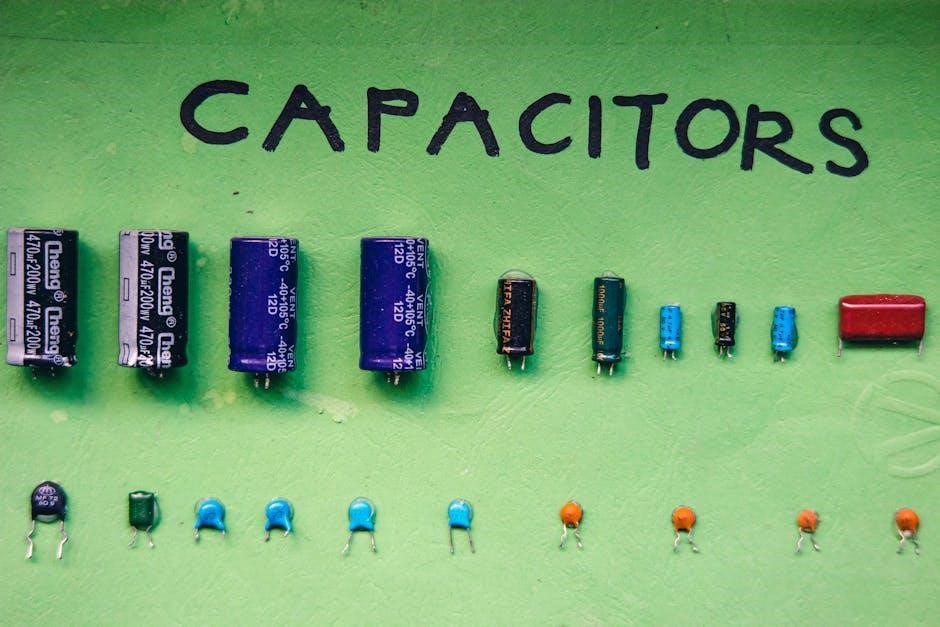
These digital manuals are vital for preserving the knowledge needed to maintain and restore these classic radios. The availability of these resources ensures that the Heathkit AM-1 can continue to be enjoyed by future generations of ham radio operators and vintage electronics collectors.
Heathkit ET-3100B Electronic Design Experimenter Manuals

The Heathkit ET-3100B Electronic Design Experimenter was a popular learning tool, and its manual is a valuable resource for understanding basic electronics. The Internet Archive hosts a digitized version of this manual, facilitating access for hobbyists and students. This resource, added on June 12, 2023, allows for searching within the text contents, offering a convenient way to find specific information.
The manual provides comprehensive guidance on building and experimenting with various electronic circuits. It includes detailed schematics, component explanations, and step-by-step instructions. Users can explore fundamental concepts like resistors, capacitors, transistors, and integrated circuits through practical projects.
Access to the ET-3100B manual is crucial for restoring and utilizing these educational kits. The Internet Archive’s preservation efforts ensure that this knowledge remains available, supporting continued learning and experimentation in electronics. It’s a testament to Heathkit’s legacy of hands-on education.
Heathkit Workshop 35 Manuals
The Heathkit Workshop 35, a versatile and popular electronics workbench, relied heavily on its accompanying manual for successful operation and project completion. Fortunately, digitized versions of the Heathkit Workshop 35 manual are available through platforms like the Internet Archive, preserving this essential resource for modern enthusiasts.
Moby Richard has contributed to the availability of this manual, making it accessible for download and streaming. The manual details the workbench’s features, including its power supply, signal generator, and other integrated instruments. It provides instructions for assembly, calibration, and troubleshooting, enabling users to maintain and repair the unit effectively.
Access to the Workshop 35 manual is invaluable for those restoring or utilizing these vintage workbenches. The Internet Archive ensures the continued availability of this knowledge, supporting the preservation of electronics history and facilitating hands-on learning. It’s a key component in keeping the Heathkit spirit alive.
Heathkit Amplifier Manuals
Heathkit produced a wide range of amplifiers, from early tube-based designs to solid-state models, and each relied on a corresponding manual for construction, operation, and maintenance. These manuals are now highly sought after by vintage audio enthusiasts and restorers.
The InDICE PDF Archive, assembled from various sources including a previously live website, contains a substantial collection of Heathkit amplifier schematics and, in some cases, complete manuals. These resources offer detailed information on circuit diagrams, component layouts, and adjustment procedures.
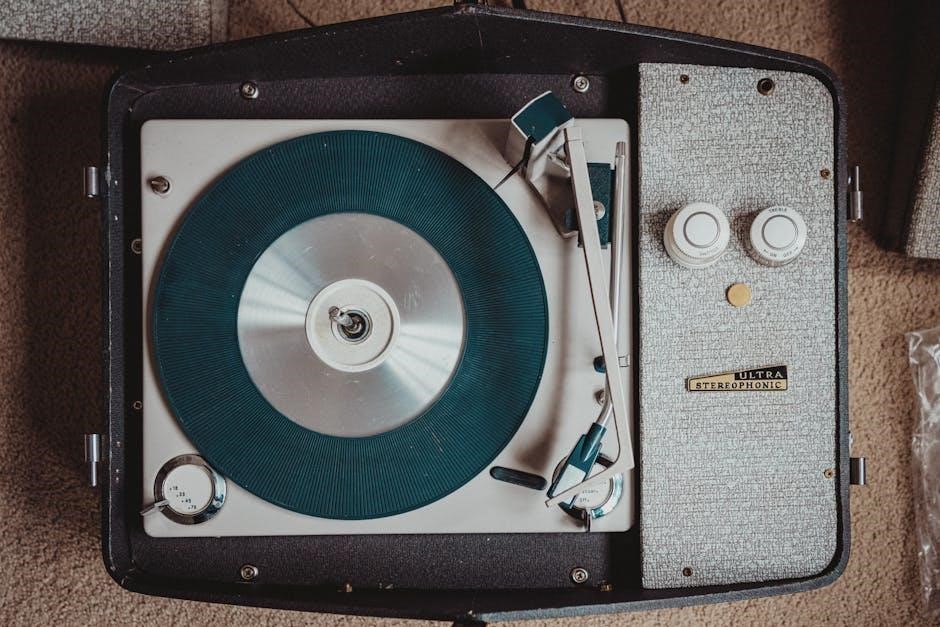
Finding these manuals is crucial for understanding the intricacies of Heathkit amplifier designs. They provide guidance on bias adjustments, troubleshooting common issues, and ensuring optimal performance. The preservation of these documents through digital archives like InDICE and the Internet Archive is vital for keeping these classic amplifiers operational for generations to come, supporting the hobby and preserving audio history.
Analogue Electronics Heathkit Manuals
Heathkit’s legacy is deeply rooted in analogue electronics, and their manuals are essential for anyone working with these vintage kits. Covering oscilloscopes, signal generators, and power supplies, these guides provided builders with the knowledge to construct and understand fundamental electronic circuits.
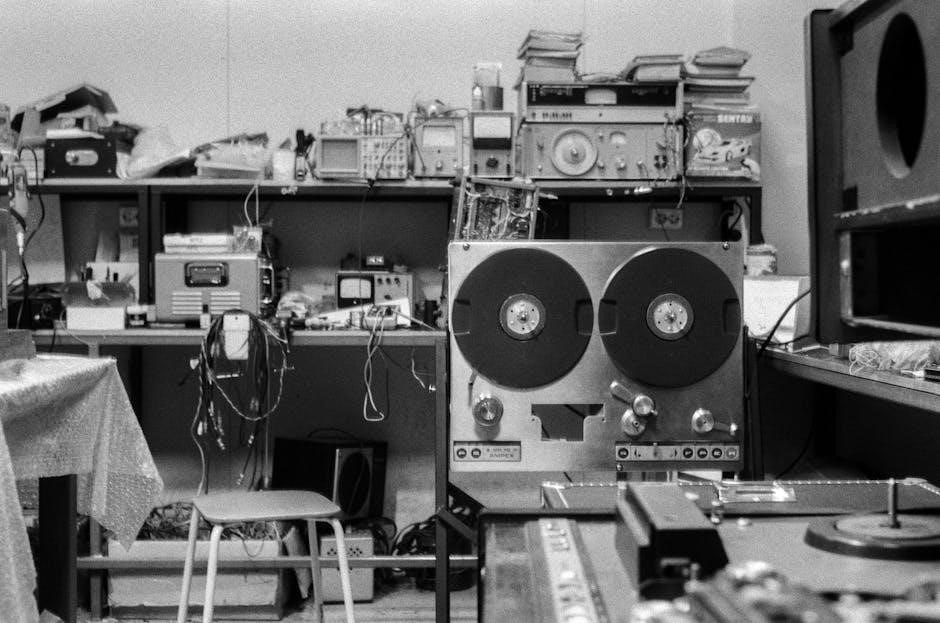
The InDICE PDF Archive serves as a valuable repository for Heathkit analogue electronics manuals, offering schematics and, occasionally, complete documentation. The Internet Archive also hosts digitized versions, making them accessible to a wider audience. These resources are particularly important as original printed manuals become increasingly rare.
These manuals aren’t just build guides; they’re educational tools. They explain the principles behind analogue circuits, aiding in troubleshooting and repair. Access to these documents ensures the continued usability of Heathkit analogue equipment and fosters a deeper understanding of classic electronic design, preserving a vital part of engineering history.
Understanding Heathkit Schematics
Heathkit schematics, found within their manuals and archived on platforms like InDICE and the Internet Archive, are crucial for repair, modification, and understanding the inner workings of their kits. These diagrams, while sometimes complex, follow logical conventions common to electronic engineering.
Successfully interpreting a Heathkit schematic requires familiarity with standard electronic symbols for resistors, capacitors, transistors, and tubes. The manuals often include component identification lists, correlating schematic references with physical parts on the assembled kit. Tracing signal paths and understanding power distribution are key skills.
Many Heathkit enthusiasts contribute online, offering guidance on deciphering schematics and troubleshooting common issues. The availability of these digitized manuals, coupled with community support, empowers hobbyists to maintain and restore these classic electronic devices, ensuring their continued functionality and educational value.
The InDICE PDF Archive
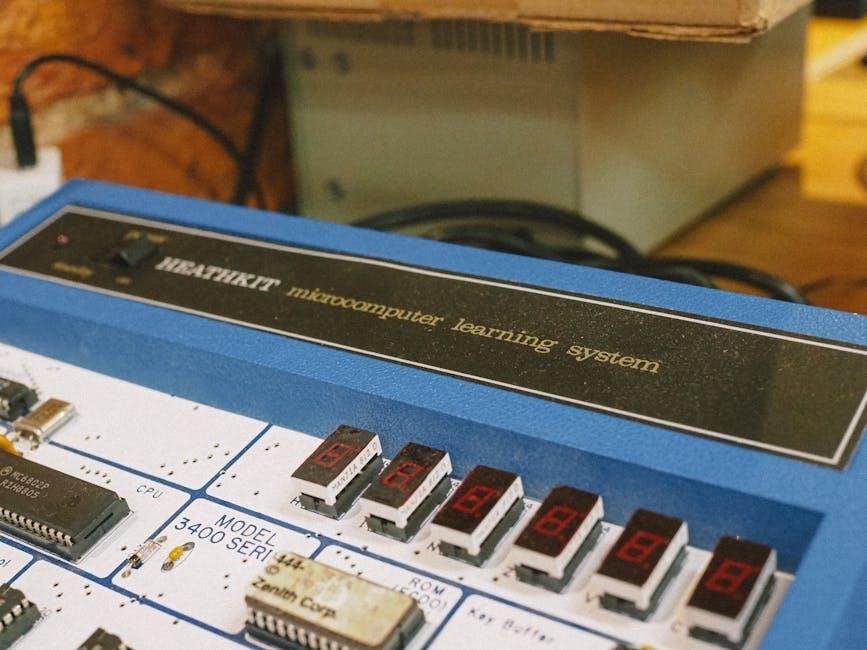
The InDICE PDF Archive stands as a significant repository for Heathkit enthusiasts, offering a vast collection of schematics and manuals. Originally based on a now-defunct webpage, it has been meticulously reconstructed from archived copies and contributions from a dedicated community.
This archive isn’t solely comprised of complete manuals; a substantial portion consists of individual schematic diagrams. However, many files also include valuable supplementary information, such as detailed specifications and performance characteristics. Hundreds of files have been generously donated over time, expanding its scope.
InDICE provides a valuable resource for those seeking to repair, restore, or simply understand Heathkit equipment. While the archive’s organization reflects its historical development, diligent searching yields a wealth of information. It’s a testament to the enduring appeal of Heathkit and the commitment of its followers to preserving its legacy through accessible documentation.
Heathkit Manuals on the Internet Archive
The Internet Archive serves as a crucial digital library for Heathkit documentation, hosting a growing collection of manuals and related materials. Users can freely download, borrow, and stream these resources, fostering accessibility for hobbyists and researchers worldwide;
Specific Heathkit models, like the IT-21 Tube Tester and the AM-1, have dedicated entries with downloadable manuals. These entries often include metadata such as publication dates, item sizes (e.g., 16.8MB for the IT-21), and identifiers for archival purposes. The archive utilizes OCR technology (like ABBYY FineReader 11.0) to make text searchable within scanned documents.
Furthermore, curated collections, such as “collection_01_heathkit_manuals” by Gerard Arthus, consolidate numerous Heathkit manuals into easily navigable sets. The Internet Archive’s commitment to preserving digital history ensures that these valuable resources remain available for future generations of Heathkit enthusiasts.
Public Domain Status and Usage Rights
Many Heathkit manuals, particularly those published decades ago, have entered the public domain. This means they are free from copyright restrictions and can be used, copied, modified, and distributed without permission. The “collection_01_heathkit_manuals” on the Internet Archive explicitly states a Public Domain rights designation.
However, it’s crucial to verify the copyright status of individual manuals, as later editions or those containing substantial revisions might still be protected. Generally, documents originating from the mid-20th century are considered safe for unrestricted use.
This public domain status empowers hobbyists to freely share schematics, repair guides, and modifications. It also facilitates the creation of derivative works, such as updated manuals or digital restorations. Users should always exercise responsible usage, acknowledging the original source when appropriate, but are generally free to utilize these resources for personal or commercial projects without legal concerns.
Challenges in Finding Complete Manuals
Despite the growing availability of Heathkit manuals online, locating complete sets remains a significant challenge. The InDICE PDF Archive, while extensive, acknowledges that many files consist solely of schematic diagrams, lacking specifications or comprehensive instructions. This fragmented nature requires users to piece together information from multiple sources.
Original manuals were often large format and prone to loss or damage over time. Furthermore, not all models received the same level of documentation. Some rarer kits may have limited or no publicly available manuals. The reliance on scanned copies introduces potential issues with legibility and completeness, as pages can be missing or poorly reproduced.
The decentralized nature of online archives also contributes to the difficulty. Information is scattered across the Internet Archive, personal collections, and various forums, demanding considerable effort to locate everything needed for a specific Heathkit model;
Future of Heathkit Manual Preservation
The future of Heathkit manual preservation hinges on continued community effort and technological advancements. Digitization projects, like those underpinning the InDICE PDF Archive and the Internet Archive’s collections, are crucial, but require ongoing maintenance and expansion. Improved Optical Character Recognition (OCR) technology will enhance the searchability and usability of scanned documents, addressing current legibility concerns.
Crowdsourcing initiatives, encouraging users to contribute scans of their original manuals and to correct errors in existing digital copies, could significantly improve the completeness and accuracy of online resources. Establishing a centralized, well-indexed database specifically for Heathkit documentation would streamline access.
Furthermore, recognizing the public domain status of many Heathkit manuals allows for wider distribution and reuse, fostering a collaborative environment for preservation and restoration. Continued advocacy for open access to these valuable resources is essential for future generations of electronics enthusiasts.