Scarpa Size Guide: A Comprehensive Overview (Updated March 14, 2026)
Scarpa utilizes European sizing for most non-plastic footwear․ Understanding the nuances between EU and US sizes is crucial for a perfect fit․ This guide provides detailed charts and tips!
Understanding Scarpa Sizing Philosophy
Scarpa, as an Italian brand, inherently embraces the European (EU) sizing system for the vast majority of its footwear – with ski boots being a notable exception․ This approach to sizing often presents a slight departure from the sizing conventions commonly found in the United States․ It’s a fundamental aspect of the brand’s design and fit philosophy․
The core principle revolves around precision and a closer alignment with actual foot length measurements․ Unlike US sizing, which can vary more broadly between brands, EU sizing aims for greater consistency․ A single Euro whole size equates to 6․6mm (0․26 inches), while a US whole size represents 8․4mm (0․33 inches)․ This difference highlights the finer granularity of the EU system․
Scarpa prioritizes a performance-oriented fit, particularly in specialized footwear like climbing shoes, where precision is paramount․ This often translates to recommending, and sometimes requiring, a degree of downsizing to achieve optimal performance․ Understanding this philosophy is the first step towards finding your perfect Scarpa fit․
European Sizing System
The European sizing system, widely adopted by Scarpa for its non-plastic footwear, differs significantly from the US standard․ It’s a decimal system, offering more granular sizing increments․ Unlike US sizes, which jump in larger steps, EU sizes progress in half sizes, allowing for a more precise fit tailored to individual foot dimensions․
A key characteristic is the consistent measurement difference between whole sizes․ One Euro whole size represents 6․6mm (approximately 0․26 inches), a smaller increment than the 8․4mm (0․33 inches) found in US sizing․ This means a greater degree of accuracy when selecting your size․
The EU system utilizes a numerical scale, starting from a smaller number for children’s sizes and increasing for adults․ Conversion charts are essential for translating your US size to the equivalent EU size․ Remember that these charts are guidelines, and individual foot shapes can influence the ideal size․ Scarpa’s detailed size charts are crucial for accurate selection․
Scarpa Footwear: General Sizing Notes
Scarpa generally adheres to European sizing for its extensive footwear range, excluding ski boots․ However, it’s vital to remember that sizing can vary slightly between different shoe categories – climbing, hiking, and running each have unique considerations․ Always consult the specific size chart for the model you’re interested in․
As an Italian brand, Scarpa’s sizing often runs narrower than some American brands․ Individuals with wider feet may need to size up or explore models specifically designed for wider foot shapes․ Conversely, those with narrower feet might find a closer fit with their standard size․
Climbing shoes, in particular, often require a snug, performance-oriented fit, frequently involving intentional downsizing․ Hiking and running shoes prioritize comfort and allow for more room․ Always factor in sock thickness when determining your size, and prioritize accurate foot measurement for optimal results․
Key Differences: EU vs․ US Sizing
Understanding the disparity between European (EU) and United States (US) shoe sizing is paramount when selecting Scarpa footwear․ A single US whole size equates to approximately 8․4mm (0․33 inches), while a single EU whole size is roughly 6․6mm (0․26 inches)․ This means EU sizing offers more granular adjustments․
Generally, a US men’s size 8 corresponds to an EU size 41-42, and a US women’s size 8 aligns with an EU size 38-39․ However, these are broad estimations․ Direct conversions aren’t always precise due to variations in manufacturing standards․
Scarpa predominantly uses EU sizing for its non-plastic footwear․ Therefore, relying solely on your usual US size can lead to an inaccurate fit․ Utilizing a Scarpa size chart and accurately measuring your foot length (in centimeters or millimeters) is strongly recommended for the most reliable results․ Don’t hesitate to consult multiple charts if available․
Measuring Your Feet for Scarpa Shoes
Accurate foot measurement is the cornerstone of finding the perfect Scarpa shoe fit․ It’s best performed later in the day, as feet tend to swell throughout the day․ Wear the socks you intend to wear with your Scarpa shoes during the measurement process․ This ensures a realistic assessment․
To begin, place a piece of paper larger than your foot flat on the floor against a wall․ Stand with your heel against the wall and trace the outline of your foot․ Repeat for the other foot, as sizes can vary․
Crucially, measure from the extreme tip of your heel to the extreme tip of your longest toe․ Use a steel measuring tape for precision, aiming for the nearest 0․5cm․ This measurement, in centimeters, will be your key to unlocking the correct Scarpa size using their detailed size charts․
Tools Needed for Accurate Measurement
Achieving a precise Scarpa shoe fit begins with the right tools․ While seemingly simple, accurate measurement relies on a few key items․ First and foremost, you’ll need a steel measuring tape․ Fabric tapes can stretch, leading to inaccurate readings; steel provides the necessary rigidity for a reliable measurement․
A large sheet of paper – larger than your foot – is essential for tracing․ This provides a clear outline to work from․ A pen or pencil is needed for tracing, ensuring a defined line․ Finally, a firm, flat surface against a wall is critical․ The wall serves as a fixed point for heel alignment․
Having these tools readily available will streamline the process and contribute to a more accurate determination of your Scarpa shoe size․ Remember, precision is key to avoiding discomfort and maximizing performance!

Step-by-Step Foot Measurement Guide
Accurate foot measurement is paramount for selecting the correct Scarpa shoe size․ Begin by gathering your tools: a steel measuring tape, paper, pen, and a wall․ Place a sheet of paper on a flat surface against a wall․ Stand with your heel firmly against the wall․
Trace the outline of your foot carefully․ Ensure the pen is held vertically for an accurate representation․ Once traced, use the steel measuring tape to measure the length from the extreme tip of your heel to the longest toe․ Repeat this process for both feet, as sizes can vary․
Record both measurements in centimeters, noting the longer foot as the determining factor․ This detailed approach, combined with the Scarpa size charts, will guide you towards the perfect fit․ Remember to measure at the end of the day when feet are at their largest․
Measuring Foot Length (Heel to Toe)

Determining your foot length, from heel to toe, is the foundational step in finding your ideal Scarpa shoe size․ Begin with your heel firmly positioned against a wall, ensuring a straight, 90-degree angle․ Place a ruler or measuring tape precisely along the floor, extending from the wall․
Carefully measure the distance from the back of your heel to the tip of your longest toe․ It’s crucial to measure to the longest toe, which isn’t always the big toe․ Repeat this measurement for both feet, as slight variations are common․
Record the measurement in centimeters, always aiming for precision to the nearest 0․5cm․ This accuracy is vital when referencing the Scarpa size charts․ This measurement, combined with width, will unlock your perfect Scarpa fit!
Measuring Foot Width
After accurately measuring foot length, determining foot width is equally important for a comfortable and performance-oriented Scarpa shoe fit․ The width measurement helps account for variations in foot volume and shape․
With your foot flat on a piece of paper, trace its outline carefully․ Ensure the pencil is held vertically for an accurate representation․ Now, measure the widest part of your tracing – typically across the ball of your foot․
Record this measurement in centimeters, again striving for precision to the nearest 0․5cm․ Scarpa size charts often categorize width as narrow, standard, or wide, so knowing your measurement is key․ Consider that foot width can fluctuate throughout the day; measure in the afternoon for the most reliable result․
Scarpa Size Charts: Detailed Breakdown
Scarpa provides comprehensive size charts to translate your foot measurements into the appropriate shoe size․ These charts are categorized by gender – Men’s, Women’s, and Kids’ – and also include Mondo Point conversions for precise fitting․
Here’s a glimpse of the conversion: EU size 34 equates to US Men’s size 3 and US Women’s size 4, with a Mondo Point of 21․ EU size 36 corresponds to US Men’s size 4 and US Women’s size 5, having a Mondo Point of 22․ EU size 37 translates to US Men’s size 5 and US Women’s size 6, with a Mondo Point of 23․
Remember that these are general guidelines․ Always consult the specific size chart for the Scarpa shoe category you’re interested in, as variations can occur․ Utilizing both foot length and width measurements alongside the chart ensures the most accurate size selection․
Men’s Scarpa Size Chart

The Men’s Scarpa Size Chart correlates European (EU) sizes with US men’s sizes and Mondo Point measurements, crucial for accurate fitting․ A EU size 39 typically equates to a US men’s size 7․5, with a Mondo Point of 24․5․ Moving up, a EU size 41 corresponds to a US men’s size 9, and a Mondo Point of 26․5․
For larger sizes, a EU 43 is generally a US men’s size 10․5, boasting a Mondo Point of 28․ A EU 44 translates to a US men’s size 11, with a Mondo Point of 29․ It’s important to note that Scarpa’s sizing can be precise, so measuring your feet accurately is paramount․
Always refer to the specific chart for the shoe model, as slight variations can exist․ Consider sock thickness when measuring and selecting your size․ This chart serves as a starting point, but individual foot shapes may necessitate adjustments․
Women’s Scarpa Size Chart
The Women’s Scarpa Size Chart bridges European (EU) sizing with US women’s sizes and Mondo Point measurements for a precise fit․ A EU size 36 generally aligns with a US women’s size 5, featuring a Mondo Point of 22․ A EU size 38 typically corresponds to a US women’s size 7, with a Mondo Point of 24․
For larger sizes, a EU 40 equates to a US women’s size 9, and a Mondo Point of 25․5․ A EU 41 translates to a US women’s size 10, with a Mondo Point of 26․5․ Scarpa’s sizing is known for its accuracy, emphasizing the importance of precise foot measurements․
Remember to consult the specific size chart for each shoe model, as minor variations can occur․ Account for sock thickness during measurement and size selection․ This chart provides a reliable guide, but individual foot characteristics may require adjustments․
Kids’ Scarpa Size Chart
The Kids’ Scarpa Size Chart translates European (EU) sizing into US kids’ sizes and Mondo Point measurements, ensuring a comfortable and accurate fit for growing feet․ A EU size 30 typically corresponds to a US kids’ size 1, with a Mondo Point of 20․5․ A EU size 32 usually aligns with a US kids’ size 2, featuring a Mondo Point of 21․5․
As sizes increase, a EU 34 equates to a US kids’ size 3, and a Mondo Point of 22․5; A EU 35 translates to a US kids’ size 4, with a Mondo Point of 23․ Scarpa prioritizes proper fit for young adventurers, emphasizing accurate measurements․
Always refer to the specific size chart for the particular shoe model, as slight variations can exist․ Consider the thickness of socks worn during measurement․ This chart serves as a helpful guide, but individual foot shapes may necessitate adjustments․
Mondo Point Conversion Chart
The Mondo Point system measures foot length in centimeters, offering a precise sizing method independent of country-specific standards․ This is particularly useful for Scarpa footwear, as it’s an Italian brand utilizing European sizing․ A Mondo Point of 21 cm, for example, generally corresponds to a EU size 35 and a US Men’s size 4․
As the Mondo Point increases, so do the corresponding sizes․ A 22 cm foot typically fits a EU 36 and a US Men’s size 5․ A 23 cm foot aligns with a EU 37 and a US Men’s size 6․ This system allows for a more accurate comparison across different brands and sizing conventions․
Scarpa often includes Mondo Point measurements in their size charts, facilitating a more informed purchase․ Remember to measure both feet, as slight differences are common, and use the larger measurement for optimal fit․
Specific Scarpa Shoe Categories & Sizing
Scarpa’s sizing can vary slightly depending on the intended use of the footwear․ Climbing shoes, for instance, are often intentionally sized down for a performance fit, typically by a full size, to maximize precision and sensitivity on the rock․ This aggressive fit enhances edging and smearing capabilities․
Hiking boots, conversely, generally fit closer to your true size, allowing for comfortable all-day wear and accommodating thicker socks․ However, considering foot swelling during long hikes is crucial; a slight increase in size might be beneficial․
Running shoes should also fit relatively true to size, with enough room in the toe box for natural foot splay․ Scarpa designs each category with specific fit characteristics, so referencing category-specific sizing advice is always recommended for the best experience․
Scarpa Climbing Shoe Sizing
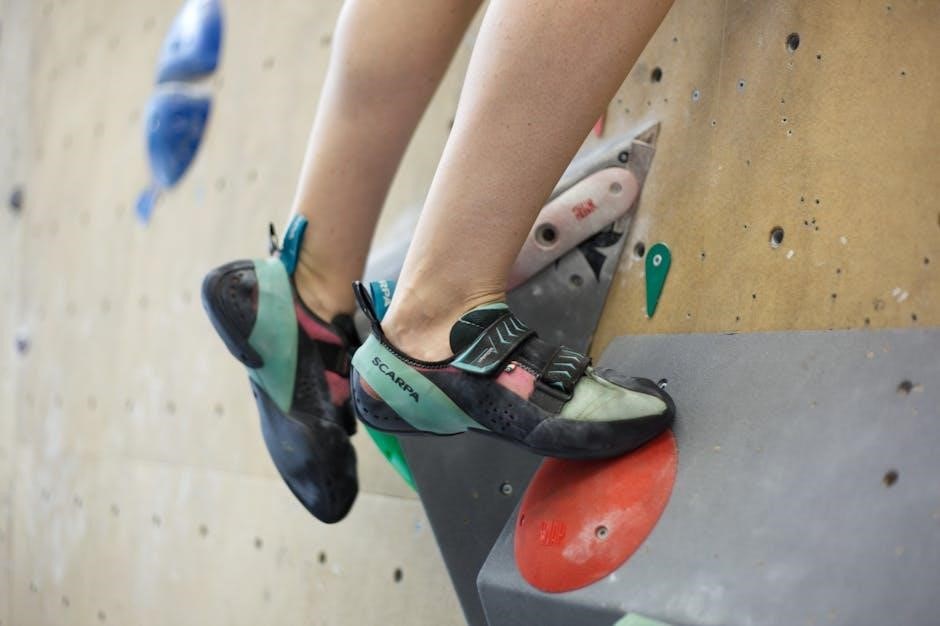
Scarpa climbing shoes are renowned for their precision and performance, and achieving the correct fit is paramount․ Generally, climbers downsize from their street shoe size to optimize performance․ The degree of downsizing depends on the model and personal preference – a half size for comfort, or a full size for aggressive performance․
Lower volume feet may require more significant downsizing, while wider feet might benefit from staying closer to the true size․ It’s crucial to consider the shoe’s last (shape) and intended use․ Aggressive downturned shoes, like the Instinct VSR, typically demand a tighter fit than more moderate all-day options․
Remember, a snug heel is vital to prevent slipping․ Scarpa recommends trying on shoes with climbing socks to ensure accurate sizing․ Prioritize comfort within the performance parameters – excessive pain hinders climbing ability․
Downsizing Considerations for Climbing Shoes
Downsizing in Scarpa climbing shoes isn’t a one-size-fits-all approach․ It heavily depends on the shoe’s intended use and your climbing style․ Aggressive shoes, designed for steep terrain and precise edging, often benefit from a more substantial downsize – potentially a full European size․
However, for all-day comfort and less demanding climbs, a half-size downsize might suffice․ Foot shape plays a critical role; lower volume feet can typically accommodate more aggressive fits․ Consider the material – synthetic shoes stretch less than leather, influencing the required downsize․
Don’t solely rely on size charts; individual feet vary․ Prioritize a snug heel fit to minimize slippage, a common cause of discomfort and performance loss․ Remember, pain shouldn’t be mistaken for a good fit․ A slightly uncomfortable toe is acceptable, but avoid crippling pain!

Scarpa Hiking Boot Sizing
Scarpa hiking boots generally follow European sizing, demanding careful consideration when converting from US sizes․ Unlike climbing shoes, a precise, snug fit isn’t always the goal․ Comfort for long distances is paramount, so prioritize adequate toe box space to prevent blisters and discomfort during descents․
Typically, a half-size up from your standard shoe size is recommended, especially if you plan on wearing thicker hiking socks․ However, foot volume is crucial; wider feet may require a full size increase․ Always try boots on with the socks you intend to hike in․
Pay attention to heel hold – minimal slippage is essential to prevent blisters․ Consider the boot’s intended use; backpacking boots often require more room for foot swelling, while lighter hiking shoes can fit more precisely․
Scarpa Running Shoe Sizing
Scarpa running shoes, like most of their non-plastic footwear, utilize European sizing․ For optimal performance and comfort, it’s generally advised to select a size that allows for approximately a thumb’s width of space between your longest toe and the end of the shoe․ This accommodates foot swelling during runs․
Unlike hiking boots, a snugger fit is preferred in running shoes to minimize foot movement within the shoe, enhancing responsiveness and preventing blisters․ However, avoid sizing down excessively, as this can lead to discomfort and potential toe issues․
Consider your foot shape; Scarpa offers models with varying widths․ If you have wider feet, look for models specifically designed to accommodate them․ Always try on running shoes with the socks you intend to run in to ensure an accurate fit․
Sizing Tips for Common Scarpa Models
Scarpa’s sizing can vary slightly between models, particularly within their climbing and performance lines․ The Instinct VSR often requires consideration for downsizing, typically by one half to one full size, depending on the desired aggressiveness of the fit․ A tighter fit maximizes precision on smaller holds․
The Drago LV, known for its downturn and sensitivity, also benefits from a snug fit; similar downsizing considerations apply․ For the Alien, a more moderate approach is recommended, prioritizing comfort for longer routes․ Downsizing is less critical with this model․
Remember, these are general guidelines․ Individual foot shape and preference play a significant role․ Always consult specific model reviews and, ideally, try on shoes before purchasing․ Consider the intended use – aggressive climbing demands a tighter fit than all-day comfort․
Scarpa Instinct VSR Sizing
The Scarpa Instinct VSR is a high-performance climbing shoe demanding a precise fit․ Sizing can be tricky, and many climbers opt to downsize, typically by a half to a full European size, to maximize performance․ This is especially true if you prefer an aggressive downturn and a very sensitive feel for technical climbing․
However, the “LV” (low volume) version is designed for narrower feet, potentially requiring less downsizing․ Consider your foot volume – lower volume feet may find a half-size down sufficient, while higher volume feet might need a full size reduction;
Initial fit should be snug, but not excruciatingly painful․ Expect some discomfort as the shoe molds to your foot․ Break-in time is relatively short․ Watch videos and read reviews for insights from other climbers with similar foot shapes․
Scarpa Drago LV Sizing
The Scarpa Drago LV is renowned for its extreme downturn and precision, catering to advanced climbers tackling overhanging routes and challenging boulder problems․ As an “LV” (low volume) model, it’s specifically designed for narrower feet, influencing sizing considerations․
Downsizing is almost universally recommended with the Drago LV, typically by a full European size, and sometimes even 1․5 sizes for those with wider feet attempting to achieve a high-performance, locked-in fit․ The aggressive shape demands a snug heel cup and precise toe engagement․
Expect a significant break-in period as the shoe molds to your foot․ Initial fit will feel very tight, but should not cause unbearable pain․ Prioritize a secure heel and minimal dead space․ Consult reviews and sizing guides specific to the Drago LV, as experiences vary based on foot shape and climbing style․
Scarpa Alien Sizing
The Scarpa Alien is a high-performance, lightweight climbing shoe designed for steep terrain and technical face climbing․ Its focus on sensitivity and precision impacts sizing recommendations, differing from more relaxed all-day shoes․
Generally, the Alien fits relatively true to size for Scarpa, but many climbers still opt for a slight downsize – typically a half to a full European size – to maximize performance and minimize heel slippage․ However, avoid excessive downsizing, as the shoe’s sensitivity relies on maintaining some foot feel․
Consider your foot volume; the Alien has a moderate volume, suiting average-width feet best․ If you have particularly narrow feet, a more aggressive downsize might be appropriate․ Expect a snug, performance-oriented fit, prioritizing precision over all-day comfort․ Break-in is moderate, allowing for some stretching․
Dealing with In-Between Sizes
Finding yourself between Scarpa sizes is common, given the precision of European sizing and individual foot variations․ When this happens, carefully consider the shoe category and your intended use․ For climbing shoes, erring on the smaller side is often preferred for performance, even if it means a snug fit initially․
With hiking boots and approach shoes, prioritize comfort and room for sock thickness․ In these cases, sizing up is generally recommended to avoid blisters and ensure adequate toe space, especially on descents․ Always measure both feet, as discrepancies are frequent․
If the length difference is minimal (under 2mm), consider the shoe’s volume․ A higher-volume shoe might accommodate a slightly longer foot, while a lower-volume shoe may require sizing up․ Trying on both sizes, if possible, is the best approach․
When to Size Up
Several scenarios warrant sizing up in Scarpa footwear․ Primarily, if your foot measurement falls between sizes on the size chart, opting for the larger size is generally advisable, particularly for hiking boots and all-day comfort shoes․ This provides essential toe room and prevents discomfort during extended wear or descents․
Consider sock thickness; thicker hiking socks necessitate additional space within the shoe․ If you plan to wear orthotics, account for their volume when determining your size․ A snug fit can become restrictive and lead to blisters․
For individuals with wider feet, sizing up can alleviate pressure points and improve overall comfort․ Finally, if you’re experiencing toe rubbing or pressure during initial fitting, sizing up is a prudent step to ensure a more enjoyable experience․
When to Size Down
Downsizing is particularly relevant when selecting Scarpa climbing shoes, where a precise, performance-oriented fit is paramount․ Many climbers intentionally choose a size smaller than their street shoe size to maximize edging power and sensitivity․ The degree of downsizing—typically half to a full size—depends on the shoe model and personal preference․

However, downsizing isn’t universally recommended․ If you prioritize all-day comfort over aggressive performance, sticking to your true size or even sizing up might be preferable․ Consider the shoe’s last (shape); a narrower last often requires more downsizing than a wider one․
Carefully assess the fit; your toes should be comfortably curved, but not painfully cramped․ Remember, excessive downsizing can lead to discomfort and hinder performance․
Considering Sock Thickness
Scarpa shoe sizing must account for sock thickness, as it significantly impacts fit, especially in hiking boots and climbing shoes․ If you plan to wear thick hiking socks, it’s advisable to size up a half or even a full size to accommodate the added volume․ Failing to do so can result in constricted toes and discomfort during long treks․
For climbing shoes, sock choice is more nuanced․ Many climbers prefer a barefoot feel for maximum sensitivity, eliminating the need to consider sock thickness․ However, if you prefer wearing thin socks, factor that into your sizing decision—a slightly smaller size might be necessary․
Always try on shoes with the socks you intend to wear during the activity․ This ensures an accurate fit and prevents surprises on the trail or at the crag․