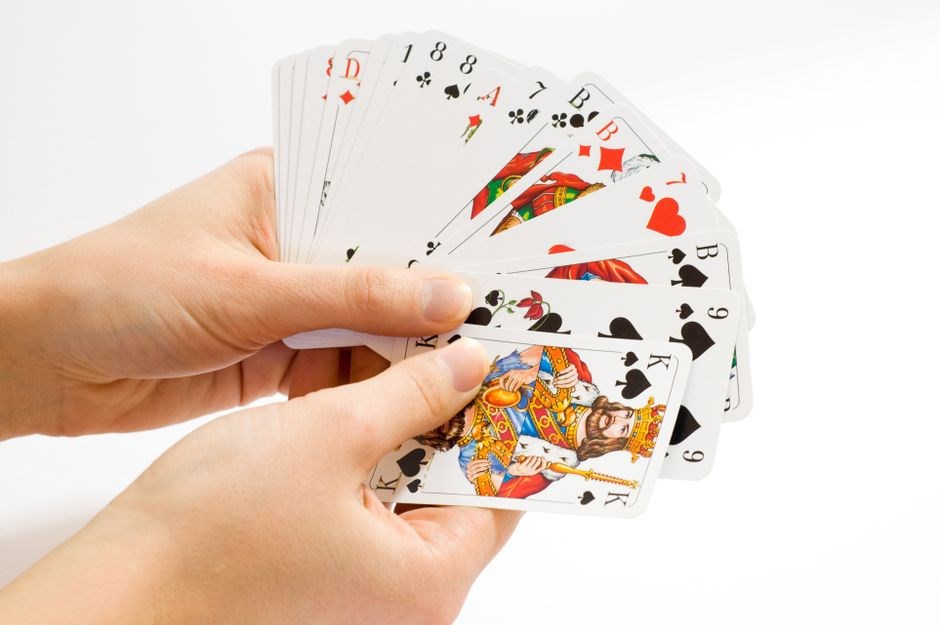
Understanding the Pit Card Game
Pit is a fast‑paced commodity trading card game where players shout bids, trade, and collect sets. Each round starts with a dealer announcing a commodity, then players scramble to secure cards. The goal is to assemble a complete set before opponents win. Players must act quickly, dealer may change commodities
Game Objective
Pit’s core aim is simple yet thrilling: be the first player to collect a full set of four identical commodity cards—such as wheat, corn, or tobacco—by the end of a chaotic trading round. The game begins with the dealer announcing a commodity. Players immediately shout the commodity’s name, then scramble to secure cards from the dealer’s pool or from other players. The dealer may change the commodity mid‑round, forcing players to adapt on the fly. Each successful acquisition adds a card to a player’s set. Once a player holds four matching cards, they declare “I have a set!” and win the round, earning points. The objective is to outwit opponents by quickly identifying the announced commodity, trading efficiently, and timing the shout to secure the last card before anyone else can. The game’s high‑energy shouting, rapid exchanges, and unpredictable commodity changes keep everyone on their toes, making each round a test of speed, strategy, and a bit of luck. Players often form temporary alliances, trading cards to complete sets faster, but alliances are fragile—once a player declares a set, everyone must scramble again. The dealer’s role is crucial; they must keep the card pool balanced and announce commodities fairly, as an unbalanced deck can skew the game. Timing is everything: shouting too early can waste a card, shouting too late may let another player win. Mastery of Pit comes from reading opponents’ body language, anticipating the dealer’s next announcement, and making split‑second decisions. Pit’s appeal lies in its blend of luck and skill. While the random commodity announcements inject unpredictability, strategic trading and quick reflexes can tilt the odds. Experienced players learn to gauge the dealer’s tendencies, predict commodity cycles, and use bluffing to mislead rivals. The game’s fast pace means that a single misstep can cost the round, making every shout and trade a high‑stakes move.

Required Materials
To play Pit you need a few key items that set the stage for a trading showdown. First and foremost is a dedicated Pit card deck, which contains 52 cards divided into 13 commodity types—corn, wheat, rice, oats, beans, sugar, coffee, cotton, cocoa, tobacco, oil, iron, and steel. Each commodity appears exactly four times, giving players a balanced pool to scramble over. The deck is usually printed with bold, colorful artwork that makes the commodities instantly recognizable, even in the heat of a shouting frenzy.
Next, you’ll need a dealer. The dealer’s job is to shuffle the deck, deal the initial pool of cards, and announce the current commodity each round. A good dealer keeps the game moving quickly and fairly, ensuring no single player can dominate by controlling the announcements. Players themselves are the lifeblood of the game; the more participants, the more chaotic the trading. A typical Pit night can accommodate anywhere from 2 to 8 players, though 4 to 6 is ideal for a balanced, fast‑paced experience.
In addition to the deck and dealer, a simple timer or stopwatch can help keep rounds from dragging on, especially in larger groups. A flat surface—like a table or a sturdy floor—provides the arena where cards are shuffled, traded, and shouted over. Optional accessories can enhance the experience. A score sheet and a pen allow you to track points across multiple rounds, especially if you’re playing a best‑of‑five series; Card sleeves protect the deck from wear and tear, making the game more durable over time.
Some groups also use a small bell or buzzer to signal the end of a round, adding a dramatic cue that signals the final shout. If you’re hosting a themed Pit night, consider decorating the table with commodity‑themed props or using a custom deck that reflects your group’s interests. No matter what extras you choose, the core of Pit remains the same: a fast, high‑energy card exchange that tests reflexes, bluffing, and quick thinking.
Keep the deck shuffled between rounds to maintain randomness. If playing with a large group, rotate the dealer each round so everyone gets a chance to manage announcements. This rotation keeps the game fair and prevents one player from dominating the flow.
Setup Procedure
Before the first shout, the dealer shuffles the full 52‑card Pit deck until colors and numbers are random. The dealer deals each player a starting hand of four cards, placing the remaining deck face‑down in the center as the draw pile. Players arrange their hands in a loose stack so everyone can see the top card and quickly decide whether to trade or hold.
Once hands are dealt, the dealer flips the top card of the draw pile to reveal the initial commodity of the round. The dealer announces the commodity loudly, giving players a moment to react. If a player holds a full set of that commodity, they may immediately declare a set and win the round, ending the trade phase. This card’s commodity type becomes the “current market” and all trading will revolve around it. Set ends!!!
If no one has a full set, the trading phase begins. Players shout “Buy” or “Sell” and place the card from their hand. The dealer collects all shouted cards, shuffles them, and then deals the same number of cards back to each player from the draw pile. This cycle repeats until a player collects four matching cards, at which point they announce “Set” and the round ends.
After a round, players record their score on a sheet, reset their hands, and the dealer shuffles again. The dealer rotates clockwise to the next player, ensuring each participant gets a turn to manage the market announcements. The game continues for a predetermined number of rounds or until a player reaches the target score, usually 10 or 15 points.
Card Types and Values
In Pit, the deck is split into four commodity categories—wheat, corn, oats, and coffee—each with thirteen numbered cards from one to thirteen. Every card shows a distinct numeric value that matches its rank within the commodity. Although the numbers do not affect scoring, they are essential during trading. When the dealer announces a commodity, players must quickly spot and shout “Buy” or “Sell” for cards of that type, regardless of their numbers. The dealer then gathers all shouted cards, shuffles them, and redistributes them, keeping the market fluid and unpredictable. Because the game rewards speed over strategy, the numbers mainly serve as a visual cue for locating cards in a crowded hand. The standard Pit deck contains exactly 52 cards, with each commodity represented by thirteen distinct numbers. Some house rules add “wild” cards that can substitute for any commodity, but these are not part of the official set. Deluxe editions may introduce extra “commodity” cards with unique illustrations and higher numeric values, adding excitement. Players often keep a quick reference sheet of the commodity symbols and their numbers to avoid confusion during rapid trading. The uniform distribution of numbers across commodities ensures no single commodity is inherently more valuable, keeping competition balanced and gameplay fast‑paced. By mastering the identification of both commodity type and numeric value, players can make split‑second decisions that tip the market in their favor. Success lies in recognizing patterns, anticipating opponents’ moves, and reacting faster than the dealer’s next announcement. This delicate balance of speed, reflexes, and luck makes Pit a thrilling card game for all ages. Enjoy the rush!!
Gameplay Mechanics
In Pit, the dealer first announces a commodity, then players shout “Buy” or “Sell” for cards of that type. All shouted cards are collected, shuffled, and redistributed, creating a fast‑moving market. Players must act quickly, using reflexes to grab desired cards before the dealer’s next announcement; The game continues in rounds until a player collects a complete set of one commodity, which ends the round. The winner of the round receives a point, and the dealer rotates clockwise. The core mechanic is speed trading: players must identify cards, shout, and physically move them in a chaotic environment. The dealer’s role is to keep the market fluid, forcing players to adapt to sudden commodity changes. Timing is crucial; a delayed shout can cost a set. The game’s design encourages shouting, shouting, shouting, creating a lively atmosphere. Each round’s length is short, making the overall session fast and exciting. Players can also use “trade” moves during the trading phase to swap cards with opponents, but only if the dealer allows it. The combination of shouting, trading, and quick reflexes defines Pit’s unique gameplay experience.
Players often shout before the dealer shuffles, creating a noisy, frantic atmosphere. Some groups allow “trade” moves where a player can swap a card with another if the dealer permits, adding negotiation. The dealer keeps the market fluid, forcing players to adapt to sudden commodity changes. Timing is crucial; a delayed shout can cost a set. The game’s design encourages shouting, shouting, shouting, creating a lively atmosphere!!
Trading Phase Rules
Once the dealer announces the commodity and shuffles the deck, the trading phase begins. Players immediately shout “Buy” or “Sell” to claim any cards of the announced type. All shouted cards are collected, shuffled again, and redistributed. Players must act swiftly, grabbing cards before the dealer’s next announcement.
If a player has a complete set, they may declare “Set” and win the round. The dealer then rotates clockwise, and the next player becomes the dealer. During the trading phase, players may also offer trades to each other, but only if the dealer explicitly allows it. A trade must involve equal value cards and must be agreed upon by both parties before the dealer shuffles again.
Trades that are not accepted remain with the original owner. The dealer may change the commodity mid‑trade, forcing players to adapt. Players should keep track of the dealer’s announcements to anticipate which cards will be valuable next. The dealer’s role is to keep the market fluid and enforce the rules, ensuring that all trades are fair and that no player can hoard cards.
The trading phase ends when the dealer declares a new commodity or when a player declares a set. The rules also allow a “trade‑in” option where a player can exchange a card for a different commodity if the dealer permits, adding another layer of strategy. Players must be mindful of the dealer’s timing; a delayed shout can cost a set.
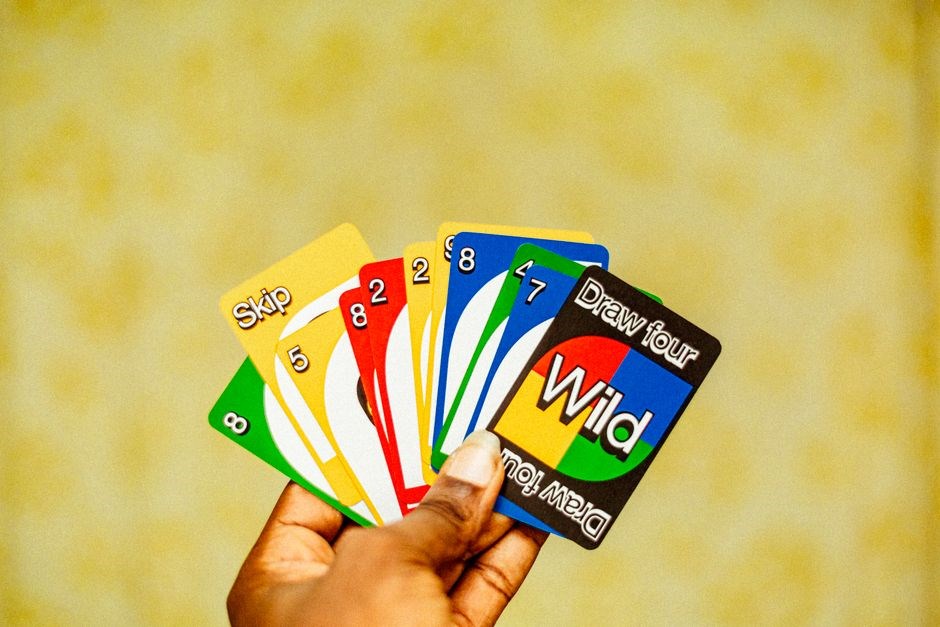
All trades must be completed before the dealer shuffles, and any attempt to cheat or stall is penalized by the dealer. The trading phase is the core mechanic that drives the excitement and chaos of the game, demanding quick thinking, sharp reflexes, and strategic shouting!!
Scoring System
The scoring in Pit is straightforward yet strategic. Each round a player who successfully collects a full set of a commodity earns points equal to the commodity’s face value multiplied by the number of cards in the set. For example, a set of wheat cards worth 5 points each yields 20 points (4 cards × 5); The dealer also receives a bonus of 10 points for each round they successfully complete the trading phase without any disputes.
Points are tallied after each round, and the first player to reach 100 points wins the game. If multiple players cross 100 points in the same round, the one with the highest score wins. In some house variations, players may agree to a different target score, such as 150 or 200, to extend gameplay.
Additionally, Pit includes a “wild card” rule: if a player trades a card that is not part of the announced commodity but later completes a set of that card, they receive a bonus of 5 points for the trade. This encourages players to keep an eye on all commodities, not just the current one.
Finally, the dealer’s score is tracked separately. While the dealer does not collect points for sets, they earn a small “dealer bonus” of 2 points for each successful round they manage without any player calling a set. This bonus can be crucial in close games, especially when the dealer’s turn comes early in the round.

When a dealer’s bonus is tallied, it is added to their overall score before the next round begins. Players often keep a running total on a whiteboard or a score sheet to avoid confusion. Some groups also use a small token, like a coin, to represent each dealer bonus point, adding a tactile element to the game’s rhythm.
Dealer bonuses are added to the overall score before the next round. Players keep a running total on a whiteboard or score sheet. Some groups use a token, coin to represent each bonus point, adding a tactile element to the game.
Winning Conditions
Winning in Pit hinges on reaching a predetermined point threshold before opponents. The standard rule is 100 points, but players may agree on 150 or 200 for a longer session. A round concludes when a player announces a complete set of a commodity, shouts “Pit!”, and the dealer confirms the set. The winner of that round receives the round’s points, and the dealer earns a 10‑point bonus if they finish the trading phase without disputes. After points are tallied, the next round begins with a new dealer. If multiple players cross the target score in the same round, the one with the highest total wins. In some house variations, if the dealer’s score is tied with a player, the dealer must win an additional “dealer showdown” round to claim victory. The dealer’s role is crucial: they can influence the pace and may secure a bonus for smooth trading, but they cannot collect set points. Players often keep a running score on a whiteboard or score sheet to avoid miscounts. The game ends immediately when a player’s total reaches or exceeds the target, and that player is declared the Pit champion. If a tie occurs at the target, a sudden‑death round is played, with the first to complete a set winning the game. All players agree on the winning threshold before play starts to avoid confusion. Players may also agree to a dealer penalty, where the dealer loses 5 points for each round they fail to finish trading. This rule keeps the game fast, forces decisive action, and encourages quick decision‑making among all participants adding excitement
Common Strategies
In Pit, success depends on speed, awareness, and a few tactical habits that can tip the balance in your favor. First, keep a mental map of the dealer’s current commodity and the direction of the market. If the dealer is shouting “Oil!” and the market is trending upward, you’ll want to secure oil early, because the price will likely rise and the dealer will be forced to trade more. Second, master the art of the “quick‑trade.” When you see a card that completes a set, grab it immediately and shout “Pit!” before the dealer can react. Timing is everything; a split‑second delay can cost the round. Third, use bluffing to your advantage. If you have a strong hand, you can shout “Pit!” early to force the dealer to trade, potentially giving you a better set. Conversely, if you’re short on cards, you can feign confidence to stall the dealer, buying time to collect the missing piece. Fourth, pay attention to the dealer’s behavior. A dealer who frequently changes commodities may be trying to disrupt your strategy; in that case, diversify your holdings to avoid being caught off‑guard. Fifth, practice “hand‑shuffling” techniques. By quickly rearranging your cards, you can keep the dealer guessing about your true holdings, making it harder for them to predict your next move. Finally, keep your emotions in check. Pit can become chaotic, but staying calm allows you to focus on the next trade, rather than getting distracted by the noise. By combining these tactics—market awareness, rapid trading, bluffing, dealer observation, card shuffling, and emotional control—you’ll increase your chances of winning rounds and ultimately securing the game.
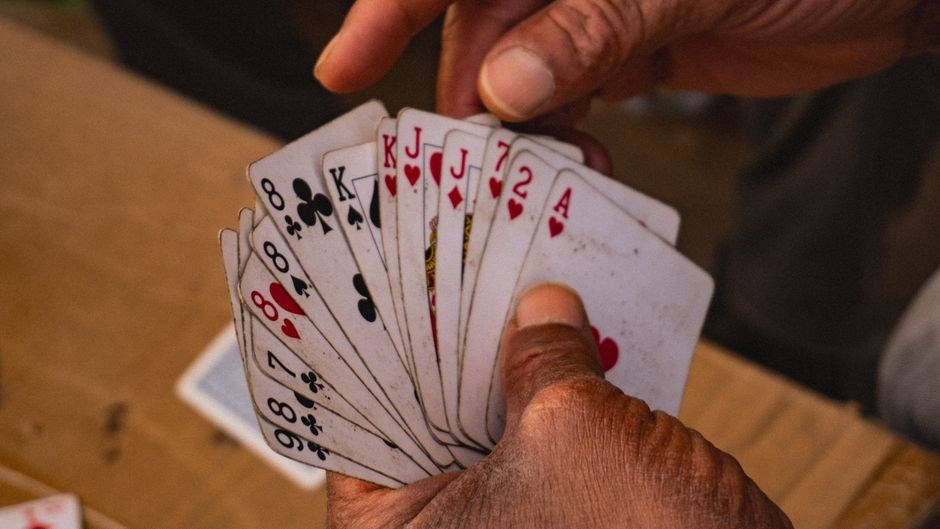
Another key tactic is to monitor the dealer’s “hot‑spot” cards. If a dealer repeatedly trades a particular commodity, it often signals that the market is volatile for that item. In such situations, it can be wise to avoid committing too many cards to that commodity until the market stabilizes. Additionally, when playing with multiple dealers, coordinate your trades to avoid bottlenecks. If you notice that the dealer is slow to respond, you can use a “fast‑trade” shout to force a quicker resolution, which can prevent other players from catching up. Remember, the dealer’s role is to keep the game moving; if they stall, you can use that to your advantage by timing your shout for maximum impact. Practice these tactics daily to refine your timing. Practice turns instinct into mastery. Refine until confident.
House Rules Variations
While the official Pit rules are straightforward, many groups add their own twists to keep the game fresh. One common variant is the “No‑Shout” rule, where players must trade silently; the dealer then announces the commodity, and the first player to shout “Pit!” wins the round. This forces players to rely on observation rather than vocal cues. Another popular change is the “Timed Pit,” where a 30‑second countdown starts when the dealer calls a commodity. If no one shouts “Pit!” within that window, the dealer automatically wins the round, adding pressure and speed. Some groups also use a “Dealer Swap” rule: after each round, the dealer rotates clockwise, ensuring everyone experiences the dealer’s role. A “Card Limit” variation caps the number of cards a player can hold at the start of each round, forcing quicker trades and reducing the chance of hoarding. Finally, the “Wildcard” rule allows a special card (often a joker) to represent any commodity, giving players a strategic advantage when they’re short on cards. These house rules can be mixed or tailored to fit the group’s preferences, keeping the game dynamic and unpredictable.
Players often adapt these house rules to suit their group’s style, ensuring each session feels unique and engaging. By experimenting with different variations, groups can discover new strategies and keep the excitement alive. The flexibility of Pit’s rule set allows for endless creativity, making every game a fresh challenge.

Moreover, some groups introduce a “Wildcard” mechanic where a joker can substitute any commodity, adding unpredictability and forcing players to think on their feet. This twist can shift the balance of power mid‑game, especially in tight matches.
These variations keep gameplay fresh, urging players to adapt quickly and turn each round into a showdown

Troubleshooting Common Issues
When playing Pit, several hiccups can pop up. First, the “no‑shout” confusion: if a player shouts before the dealer announces a commodity, the round is voided and the dealer resets the stack. Second, the “duplicate card” problem: sometimes a card appears twice in a player’s hand. In this case, the dealer must redistribute the extra card to the next player clockwise. Third, the “mis‑count” error: players may miscount their sets. A quick visual check—compare the four cards in your hand to the commodity list—will confirm completeness. Fourth, the “dealer’s mis‑call”: if the dealer mistakenly calls a commodity that isn’t in the current stack, the round is replayed with a new dealer. Fifth, the “late shout”: shouting after the dealer has already called “Pit!” results in a penalty; the player must discard one card to the center. Finally, the “silent trade” rule: if a group uses silent trading, ensure everyone knows the signal for “trade” to avoid accidental card swaps. By staying alert to these common pitfalls, players can keep the game flowing smoothly and maintain the high‑energy atmosphere Pit is known for.
Another frequent glitch involves the “dealer’s stack” being mis‑aligned. If the dealer inadvertently places a card from the wrong commodity into the central pile, all players must immediately pause, identify the mistake, and correct it before the next shout. Additionally, some groups experience “over‑shouting” where multiple players yell “Pit!” simultaneously. In such cases, the dealer must decide which shout is first based on proximity to the dealer or by a pre‑agreed tiebreaker rule. Finally, keep an eye on the “card‑count” rule: if a player’s hand exceeds the maximum allowed cards, they must discard the excess to the center before the next round begins. Addressing these issues promptly preserves game flow and ensures fairness for all participants.
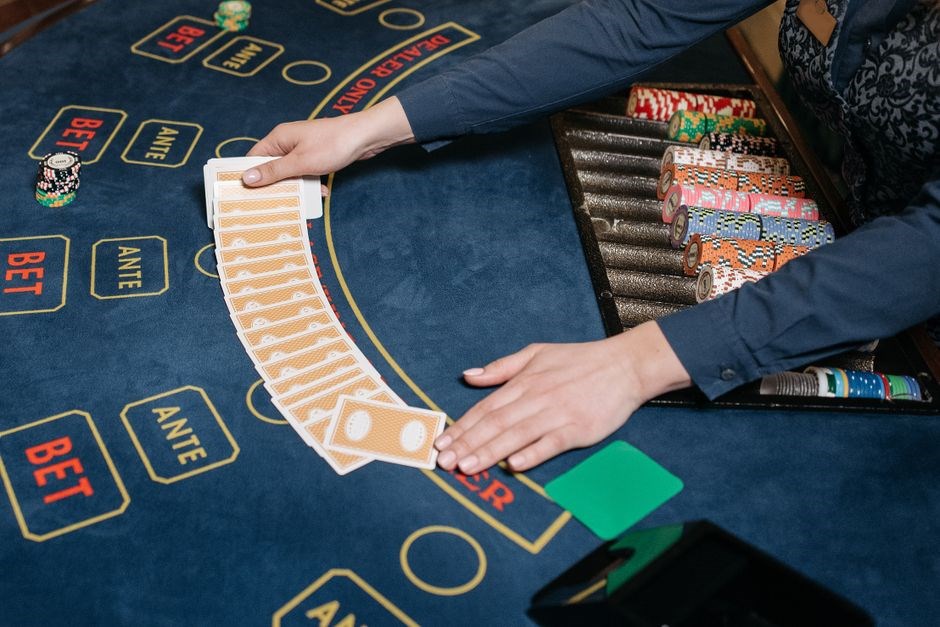
Remember to keep a timer handy if you’re playing timed rounds; this helps prevent disputes over who shouted first. Also, establish a clear “no‑trade” zone so that cards are exchanged only in the designated area, reducing confusion. Finally, after each round, shuffle the deck thoroughly to avoid any pattern that could give an unfair advantage.
Use a small bell or whistle to signal the end of a round; this simple cue keeps everyone synchronized and prevents accidental over‑shouts. — stay sharp Stay calm.!

Tips for Hosting a Pit Night
Hosting a Pit night is all about creating a high‑energy, chaotic atmosphere that keeps players engaged. First, choose a spacious table or a long table so everyone can shout without bumping into each other. Set up a clear central pile and a dedicated “trade zone” to keep cards organized. Use a timer or a bell to signal the start of each round, so the pace stays fast and players know when to shout “Pit!”.
Provide a deck of Pit cards, a few extra blank cards, and a small stack of blank “dealer” cards for quick shuffling. Keep a supply of extra cards on hand in case a player’s hand grows too large; the rule says discard excess to the center. Make sure each player has a small notepad or a score sheet to track their sets and any penalties.
Explain the trading rules clearly before the first round: silent trading is allowed, but all trades must happen in the trade zone. Emphasize that shouting “Pit!” before the dealer calls a commodity is a penalty, and that the dealer must reset the stack if a shout is too early. Encourage players to shout loudly and quickly; the faster the shout, the higher the chance of winning the round.
Rotate the dealer role each round to keep everyone involved. After each round, shuffle the deck thoroughly to avoid any pattern that could give an unfair advantage.

Finally, create a “Pit” playlist to maintain the adrenaline rush! Encourage players to wear bright colorsand themed shirts. With clear rules, a fast pace, and a lively atmosphere, your Pit night will be a hit for all ages.